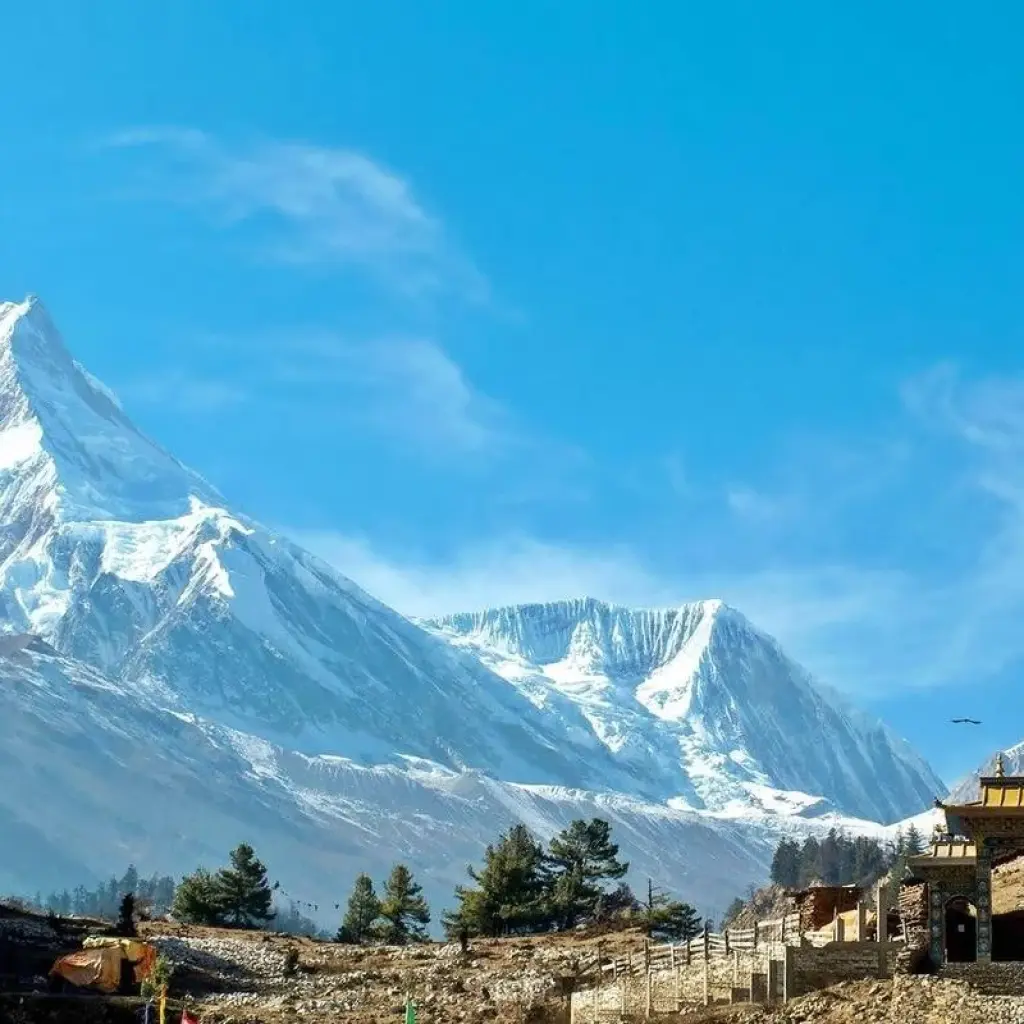
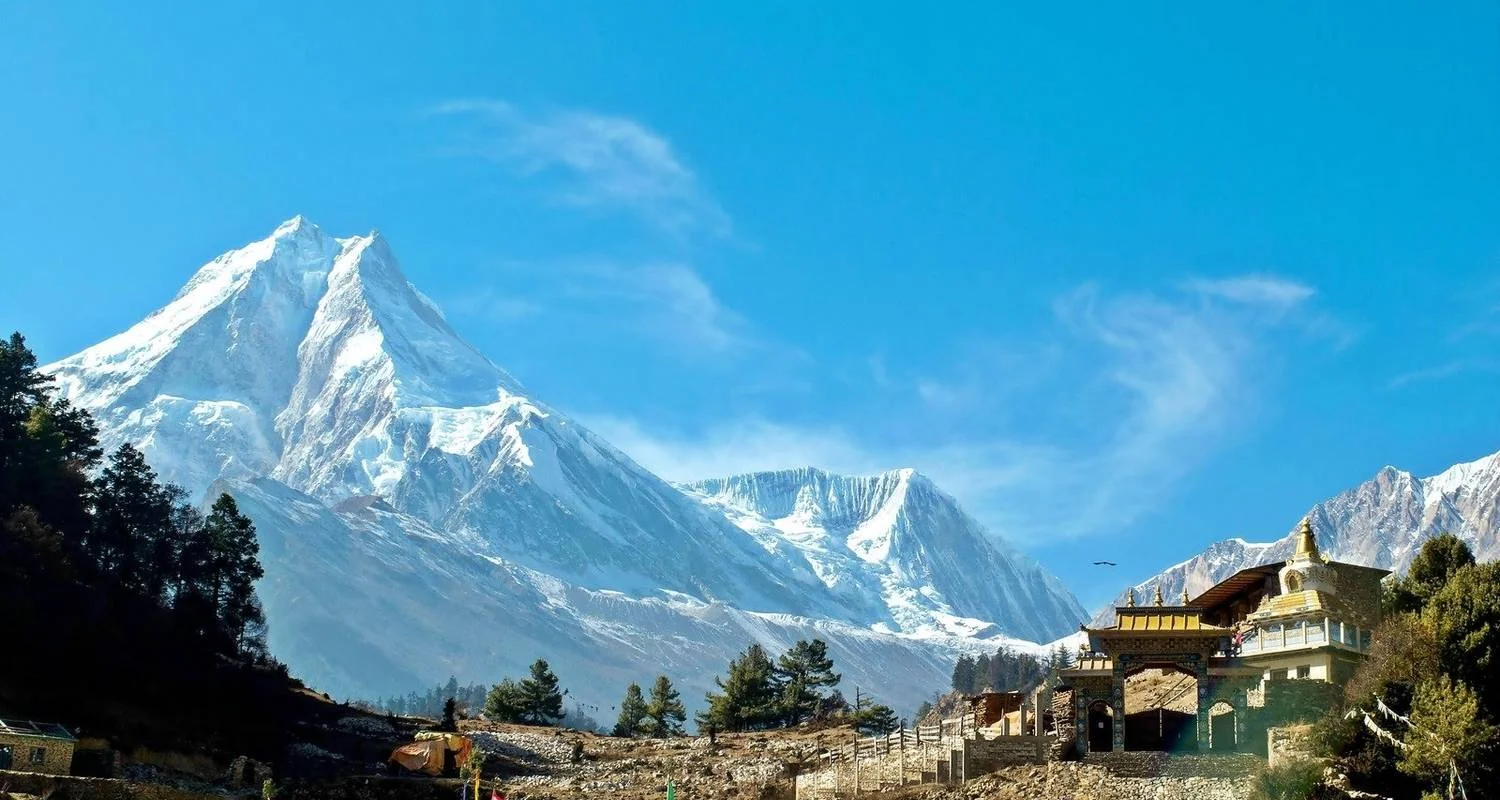
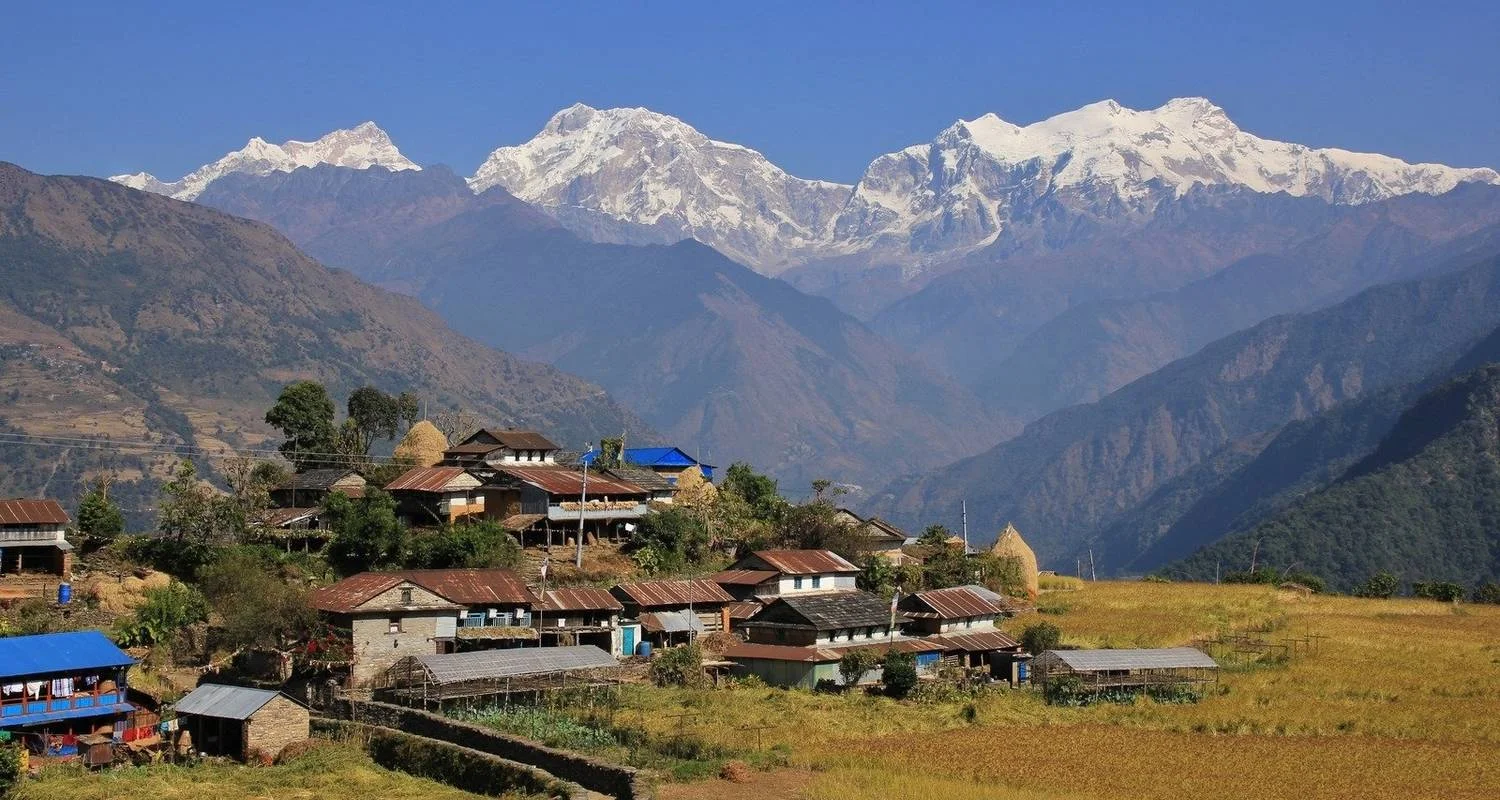
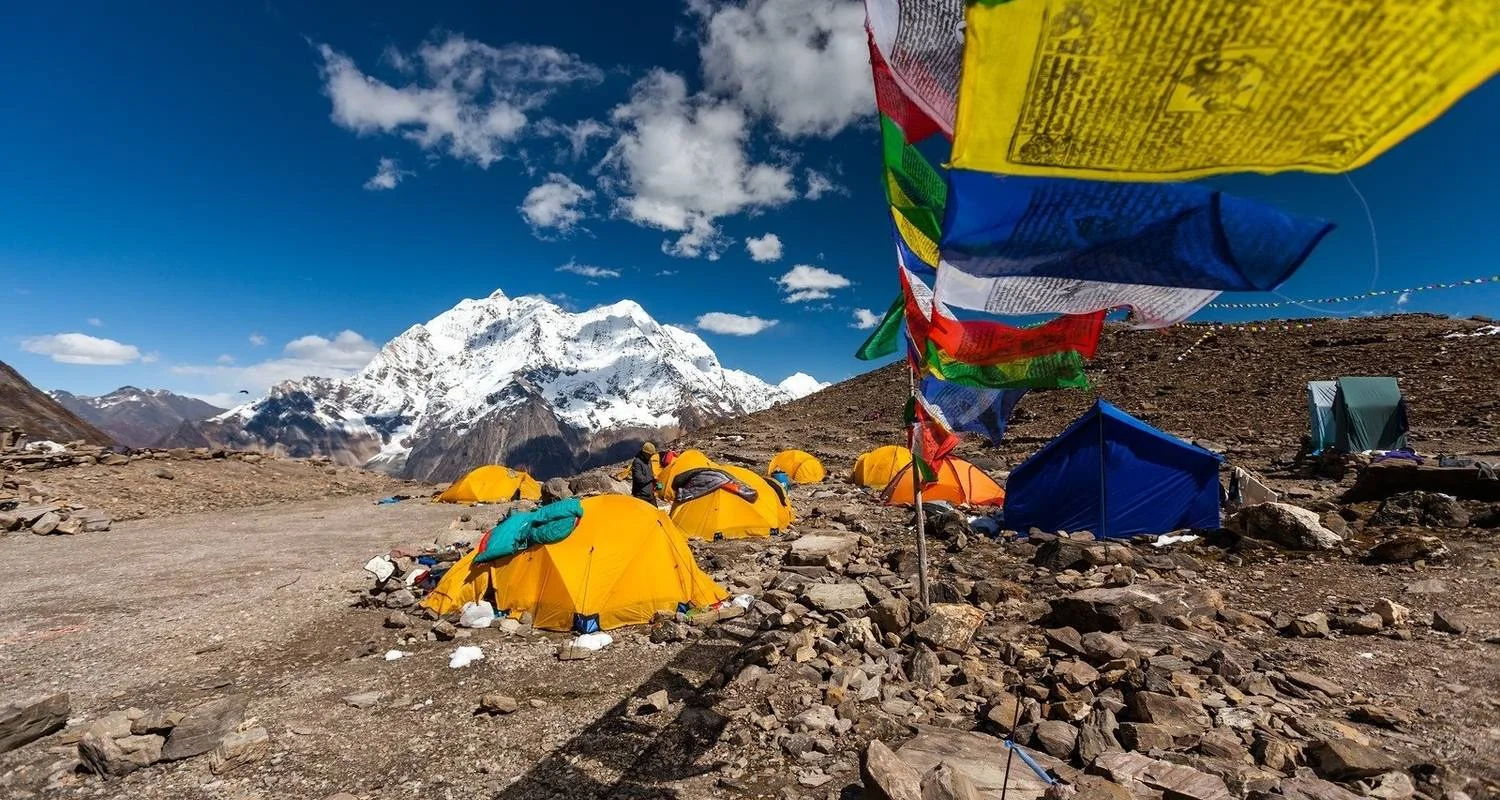
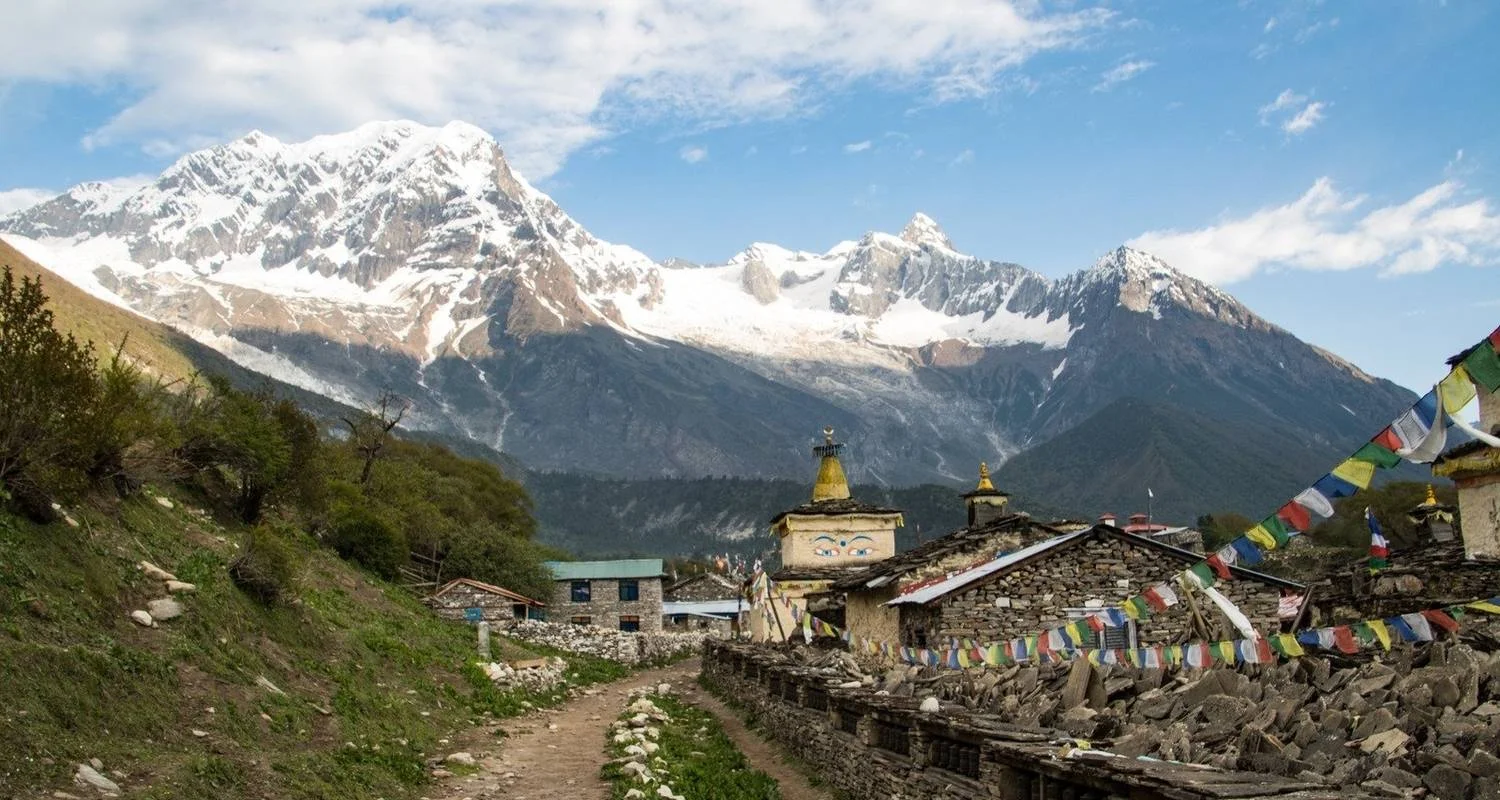
The Manaslu Tsum Valley is a remote and pristine region located in the northern part of Gorkha District in Nepal. It is renowned for its breathtaking natural beauty, unique culture, and peaceful atmosphere. It lies in the lap of the majestic Himalayas, bordered by Tibet to the north and the Manaslu Conservation Area to the west and south. It's relatively isolated and less visited compared to other trekking regions in Nepal, offering a sense of untouched wilderness. The valley boasts stunning landscapes characterized by terraced fields, dense forests, cascading waterfalls, and snow-capped peaks. The towering Mt. Manaslu, the eighth-highest mountain in the world, dominates the skyline, adding to the awe-inspiring scenery.
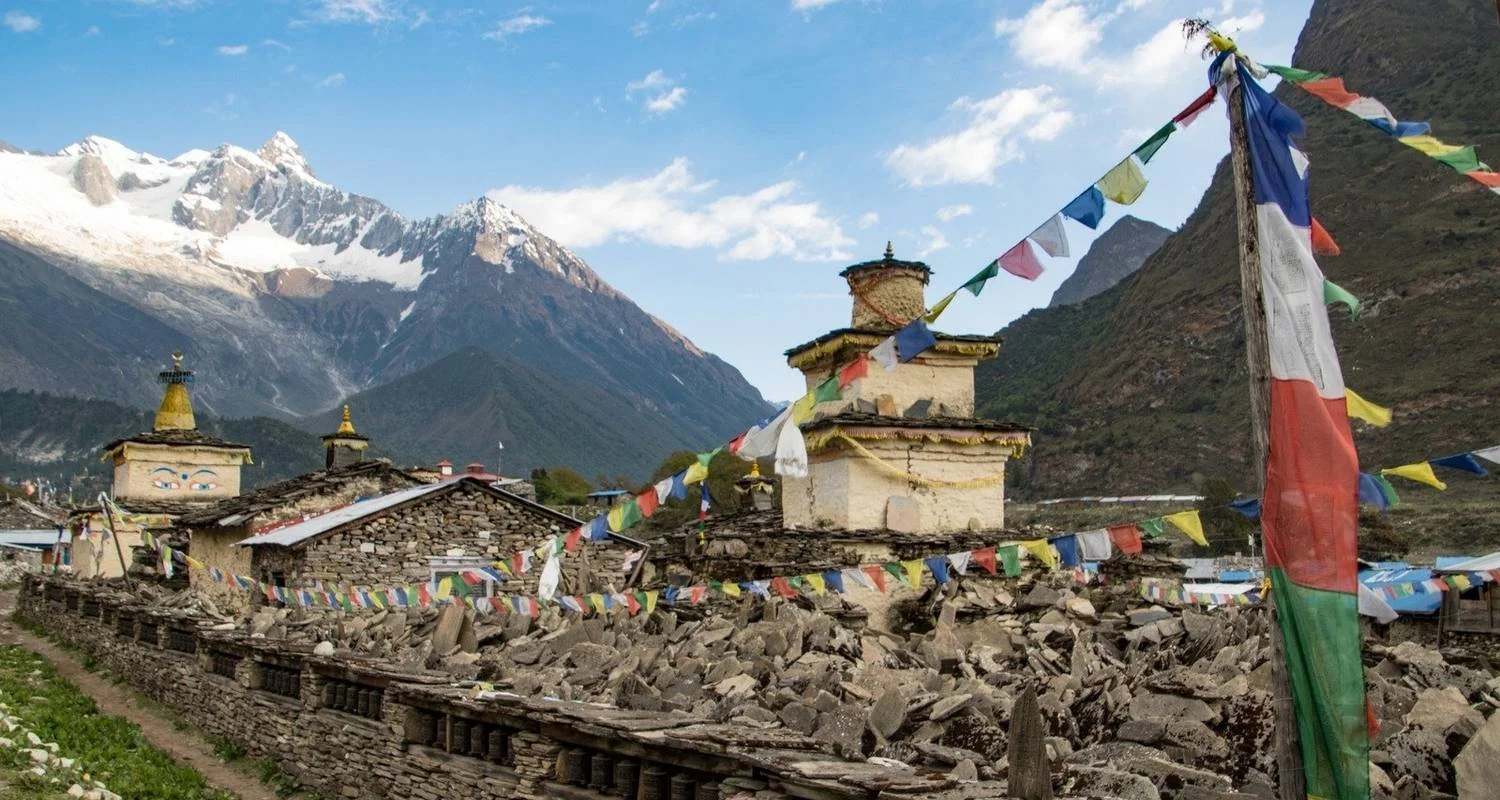
The Tsum Valley is inhabited by the Tsumba people, who have preserved their ancient Tibetan Buddhist culture and traditions for centuries. Visitors can explore traditional villages adorned with colorful prayer flags, intricately carved mani walls, and Buddhist monasteries such as Mu Gompa, Rachen Gompa, and Milarepa Cave.
Trekking in the Manaslu Tsum Valley offers a unique blend of adventure and cultural immersion. The most popular trekking route is the Manaslu Circuit Trek, which encircles Mt. Manaslu and passes through the Tsum Valley. The trek typically takes around 14-20 days to complete and requires a special permit due to its restricted area status.
As the Manaslu Tsum Valley falls within a restricted area, trekkers are required to obtain special permits through a registered trekking agency in Nepal. Additionally, trekkers must be accompanied by a licensed guide for the duration of the trek. These regulations help preserve the natural environment and support local communities.
The best time to trek in the Manaslu Tsum Valley is during the spring (March to May) and autumn (September to November) seasons when the weather is clear, and the views are spectacular. Winter treks are possible but require proper gear for cold temperatures and snow conditions, while monsoon season (June to August) brings heavy rainfall and landslides, making trekking challenging.