This part of our journey continues down the paved RN7 to its end in Tulear on the Southwest coast,
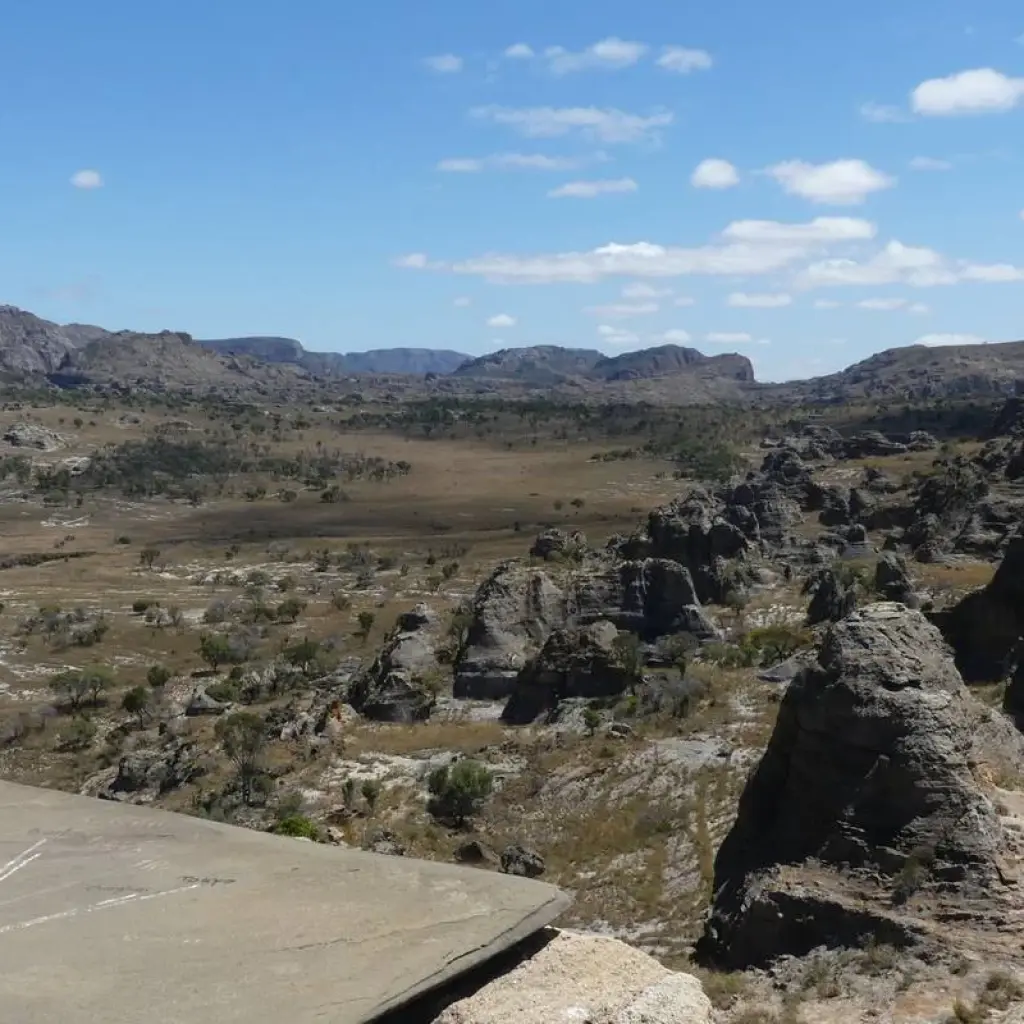
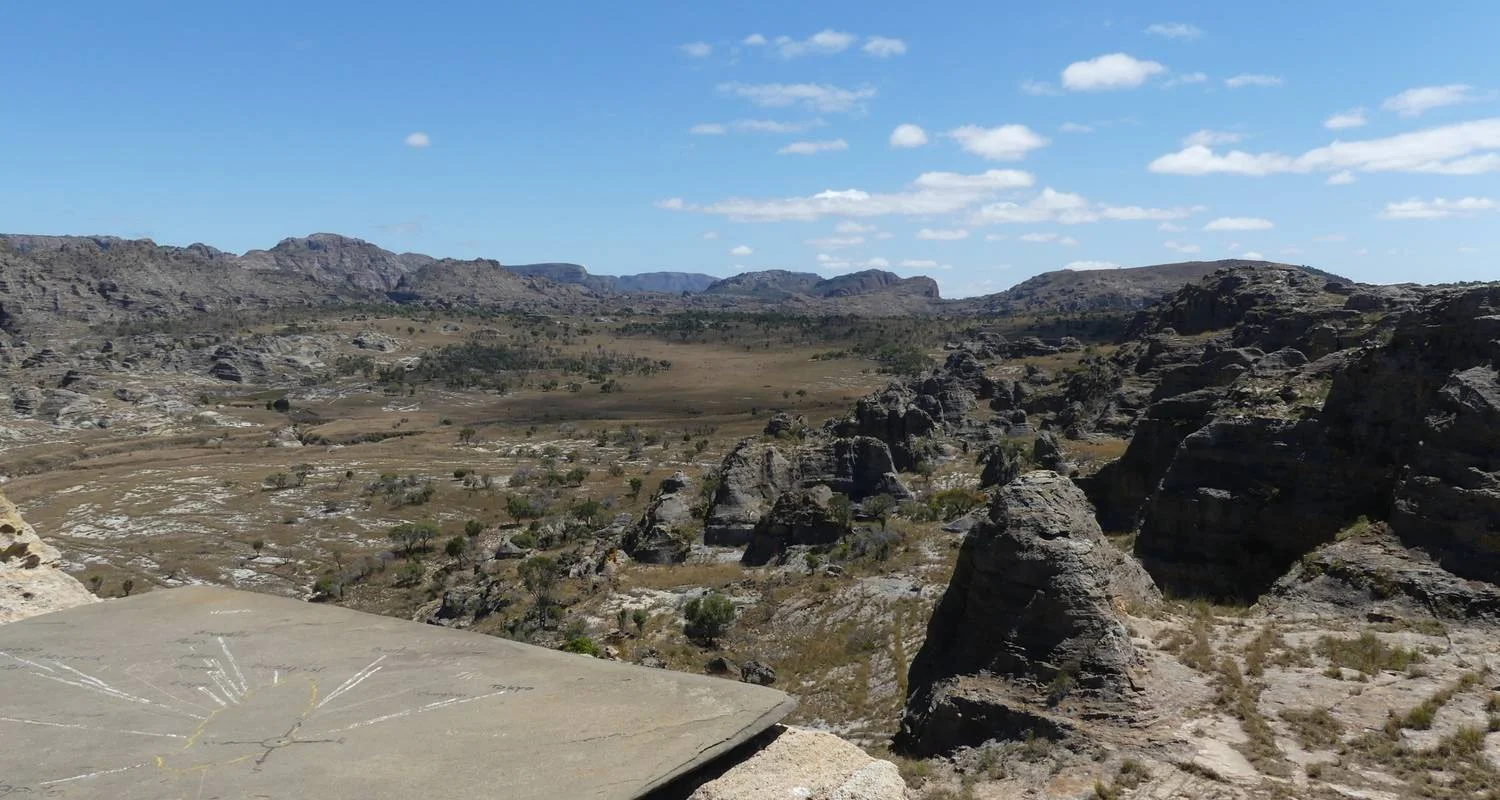
introducing us to new scenery among the dry forests of the west and the spiny desert of the south. We
pass through the sapphire mining boom town of Ilakaka, a frontier town vaguely reminiscent of the Wild
West. En-route today we see the locations of different ornate hillside 'Mahafaly Tombs', which were
built for chiefs and kings and are covered in stones, sculptures and horns. The more important the
deceased, the more horns and statues the with. One of the largest tombs has over 700 horns of zebu cattle!
As this is a sacred site we will just be passing by. tomb is adorned Photography is not permitted. We also pass the area of the 'Antandroy Tombs'. This is the driest part of the country - called the "Deep
South" – where the landscape is dominated by cactus-like, spiny forests of different euphorbias. In this
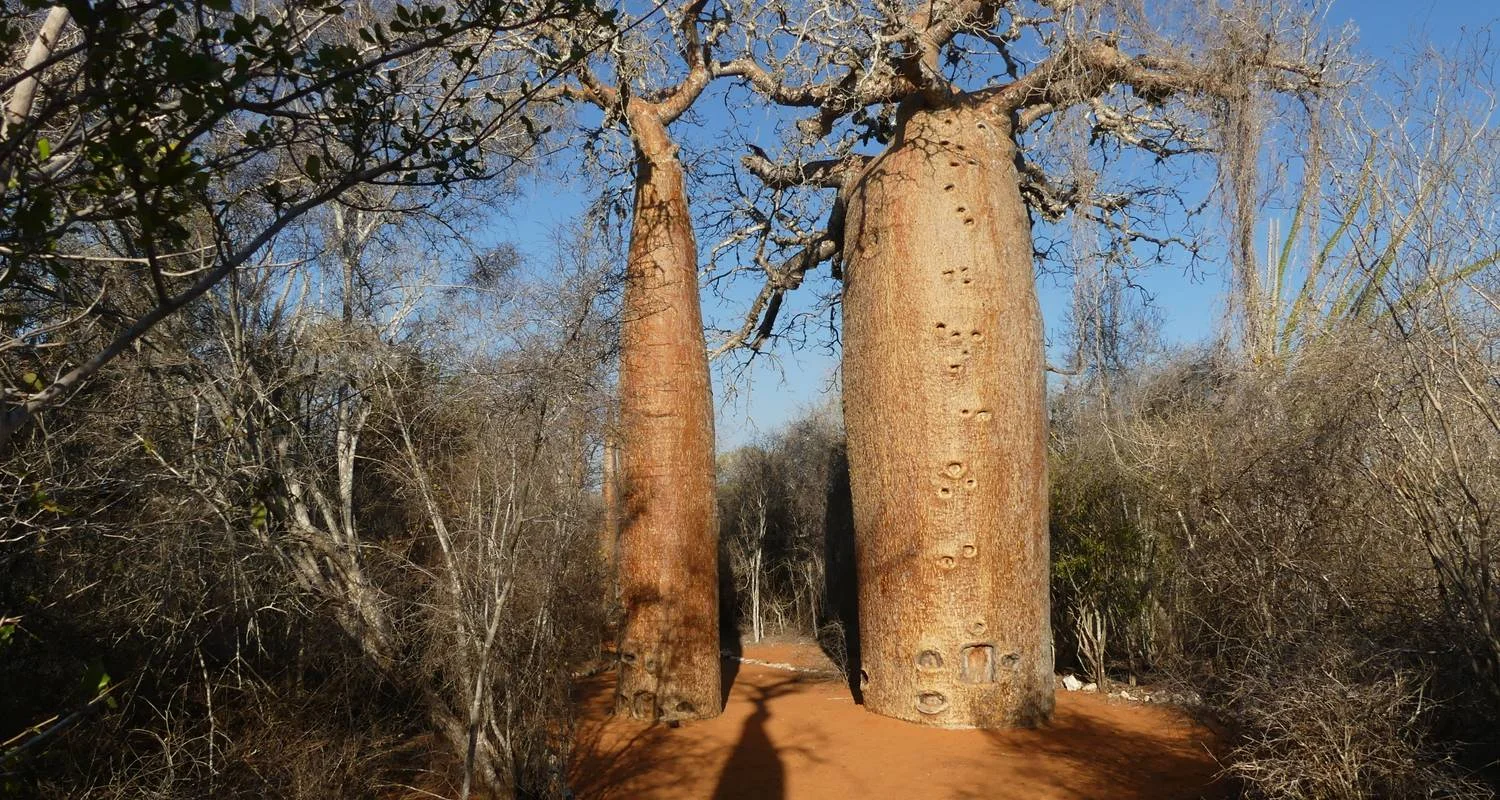
area giant baobab trees, which can be hundreds of years old, grow. For most of the year these hardy trees
have no leaves, so their bare branches look like roots – giving them the name "upside-down trees." This is
an area of dry and sandy soil where the local people battle to find drinking water.
When we reach Tuléar (also known as "Toliara"), set on the Tropic of Capricorn, we visit the excellent
Arboretum d'Antsokay, which is a 400,000-sq-metre miniature spiny forest with over 900 plant species.
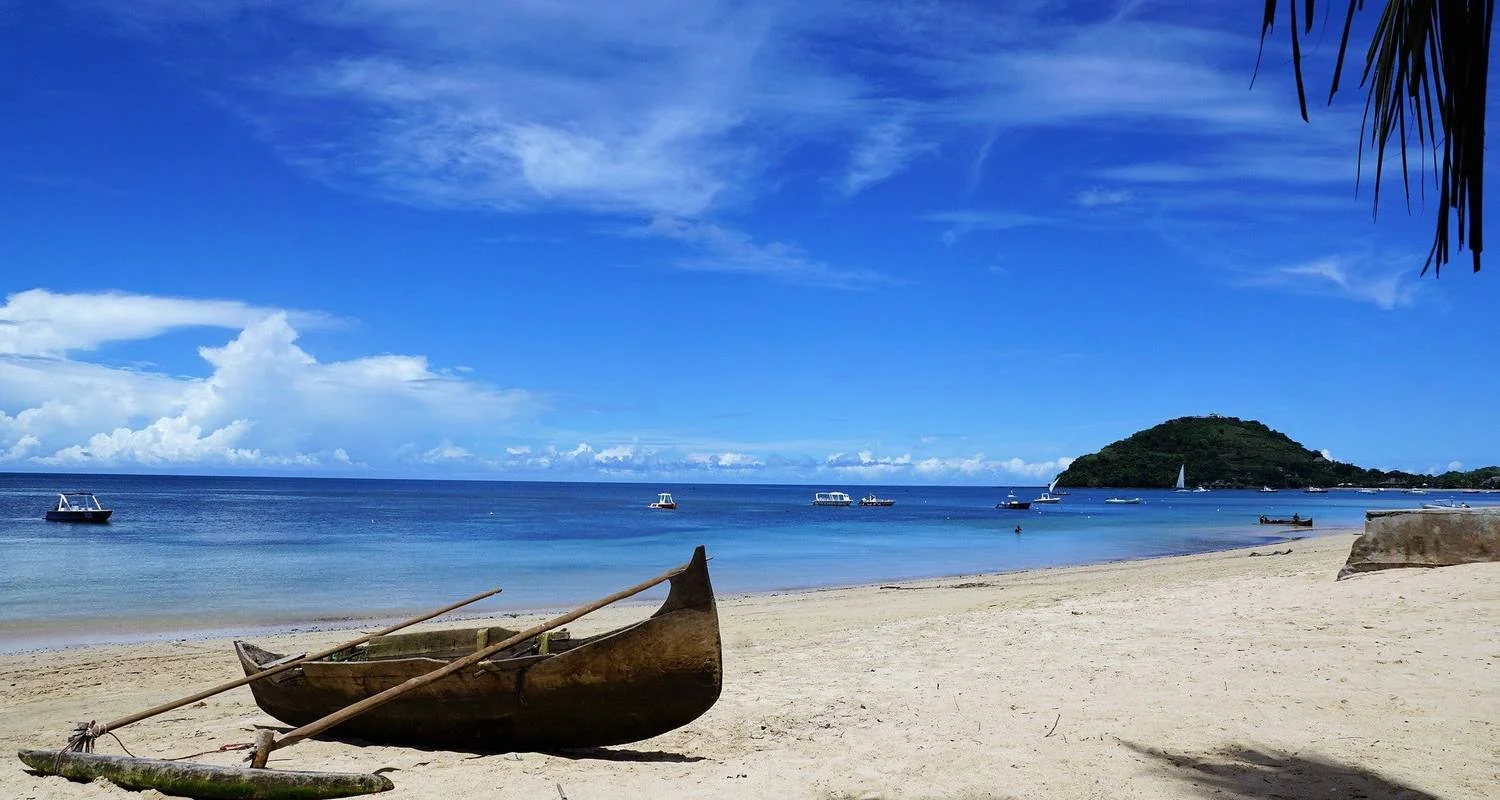
If time allows before our flight this afternoon, we can drive up the unpaved RN9 to the little fishing
village of Ifaty with its breathtaking beaches on the Mozambican Channel. Here mangrove trees line
the coast dotted with Vezo communities which earn their living from fishing. We can see many small
pirogue dugout canoes with men who go out fishing twice a day, while the children and women wait on
the coast to collect the fish before taking them to Tuléar for sale.
Later this afternoon we transfer to Tulear's airport and fly back to the Antananarivo, where we transfer to
our hotel.