Philippines dès $150 → Cap sur les îles

9 d
5 h
20 m
Voir le circuit
Explore Gokyo Lakes And ValleyTrek for 13 days with Accessible Adventure Pvt. Ltd and discover unforgettable experiences - Photo 2

Trek des lacs et de la vallée de Gokyo

Pays:

Népal

Vol:

Non inclus

Favori

ID du circuit:

234050

Partager:

  • Opérateur:

    Accessible Adventure Pvt. Ltd

  • Durée:

    13 days

  • Taille du groupe:

    22 pax

  • Âge:

    3 à 75

  • Difficulté:

    Niveaux de difficulté:
    • Relaxant
    • Facile
    • Modéré
    • Difficile
    • Très difficile
  • 26.12-07.01.26 scheduled icon
  • 27.12-08.01.26 scheduled icon
  • 28.12-09.01.26 scheduled icon
  • 30.12-11.01.26 scheduled icon

Itinéraire

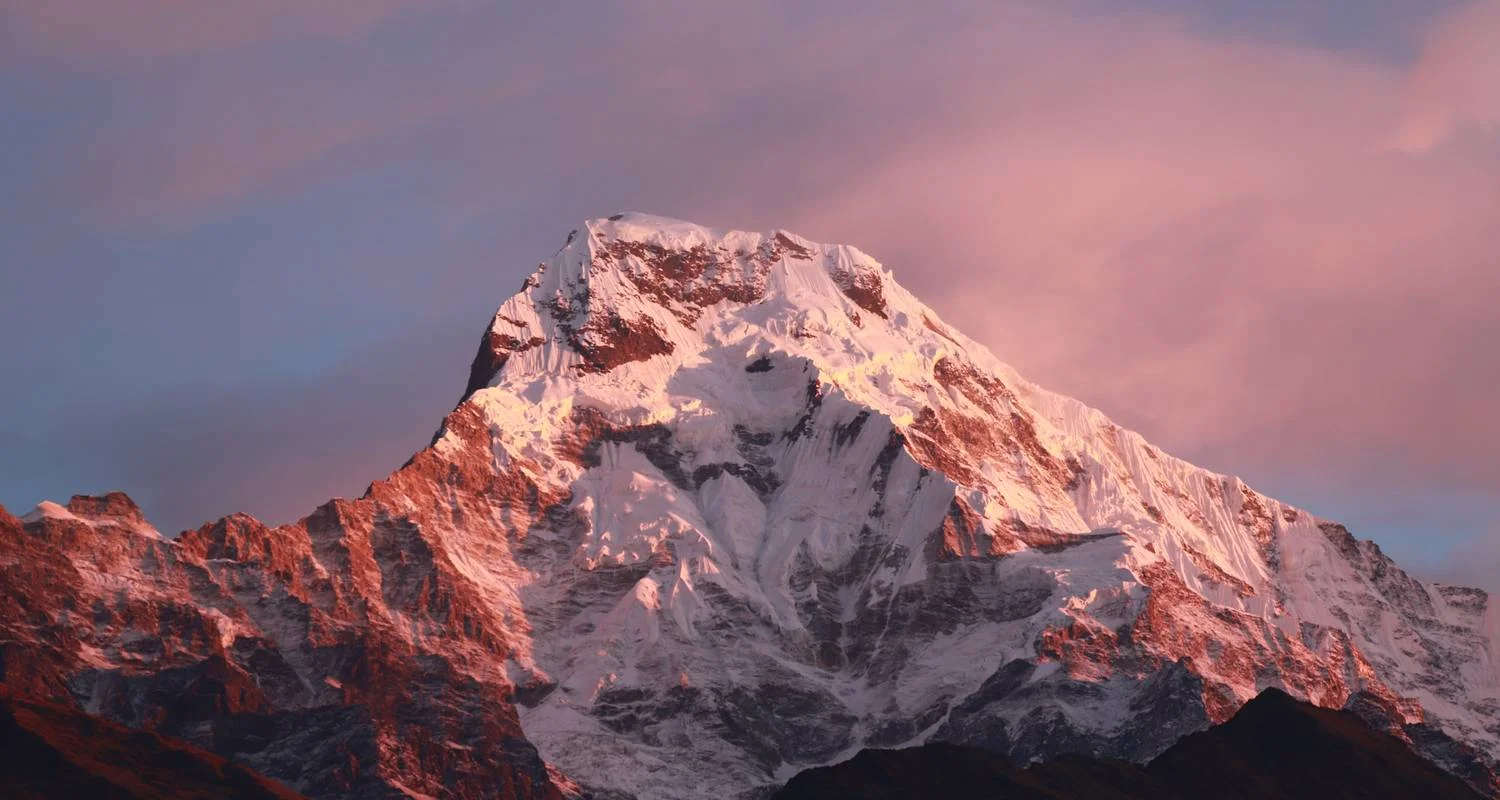
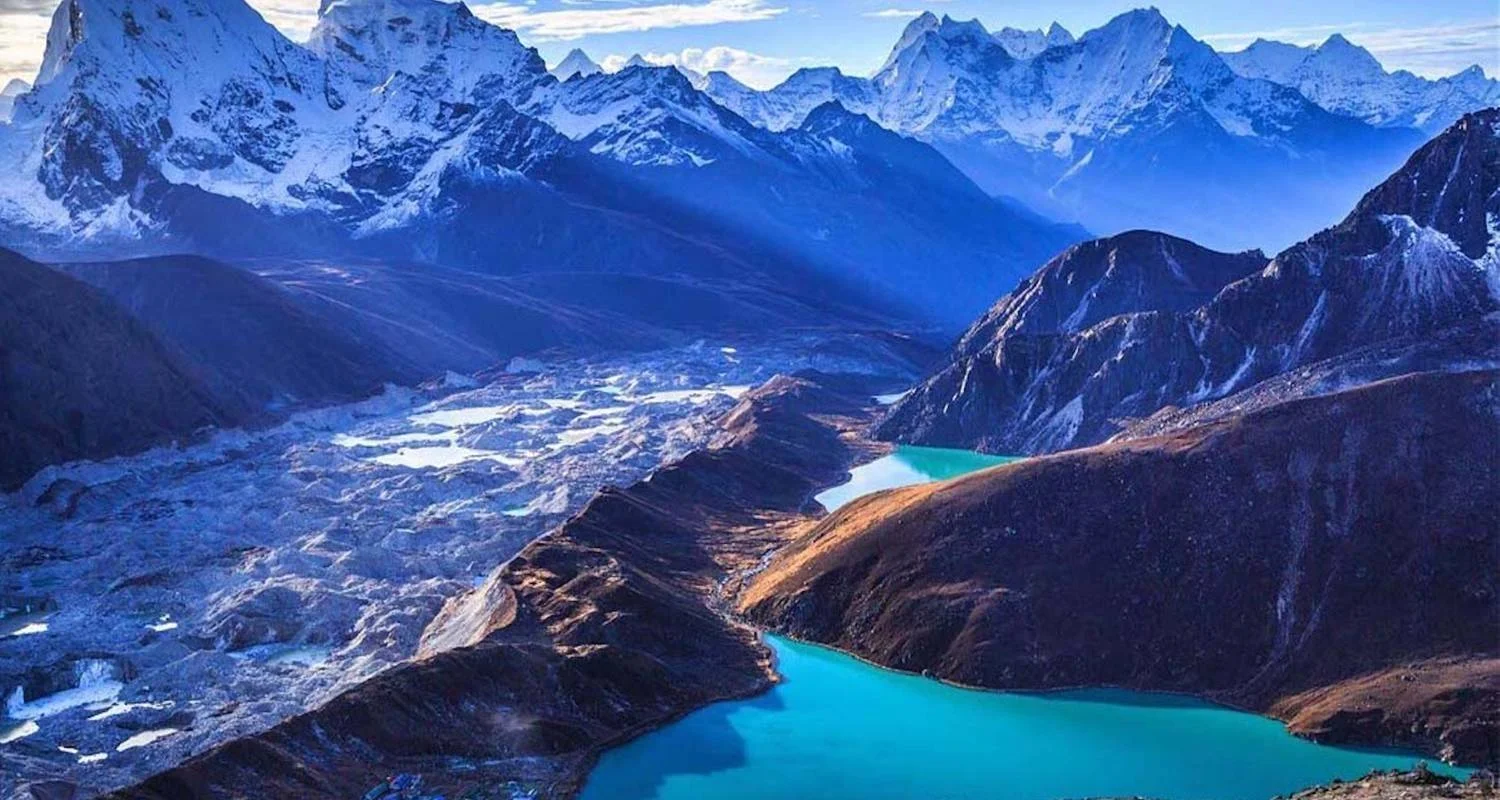
Le trek des lacs Gokyo est la meilleure alternative au trek classique du camp de base de l'Everest. Il s'agit d'une randonnée spectaculaire, de lodge en lodge, qui vous mènera dans les terres d'une beauté à couper le souffle de la région du Khumbu, dans le district de Solukhumbu. Les trekkeurs seront émerveillés par les systèmes de lacs glaciaires des lacs Gokyo, qui se composent principalement de six lacs : Gokyo Cho (Dudh Pokhari), Thonak Cho, Gyazumpa Cho, Tanjung Cho, Ngojumba Cho et Kyajumba Cho. À Gokyo Ri (5357m / 17570ft), les randonneurs pourront admirer les vues panoramiques les plus étonnantes des montagnes, y compris quatre des six plus hauts sommets du monde : L'Everest (8848 m), le plus haut sommet, le Lhotse (8516 m), le quatrième, le Makalu (8485 m), le cinquième, et le Cho Oyu (8188 m), le sixième, ainsi que de nombreux autres sommets de la région de l'Everest et de toute la vallée de Gokyo.

La découverte de la culture ethnique sherpa et de l'hospitalité chaleureuse des habitants, toujours souriants, est une autre partie du trek. Les sanctuaires religieux (monastères, chortens, allées et murs d'enceinte), les monuments culturels (musées) et le mode de vie montrent que les gens préservent des cultures et des traditions vieilles de plusieurs siècles.

Dans le parc national de Sagarmatha (le parc national le plus élevé du monde, qui s'étend de 2835 m à 8848,86 m au-dessus du niveau de la mer), on peut observer divers animaux sauvages de l'Himalaya, notamment le tahr de l'Himalaya, le ghoral, le cerf musqué, le pikka (lièvre souris), la belette et, à l'occasion, le chacal. En revanche, l'ours noir de l'Himalaya, le loup, le lynx et le léopard des neiges sont des animaux rarement observés ici.

Les villages de Lukla, Phakding, Monjo, Namche Bazaar, Khumjung, Dole, Machherma et la vallée de Gokyo sont quelques-unes des villes les plus populaires à explorer au cours de cette randonnée de 13 jours dans les lacs Gokyo, qui sera un mélange d'aventure et de plaisir.

Présentation des lacs Gokyo

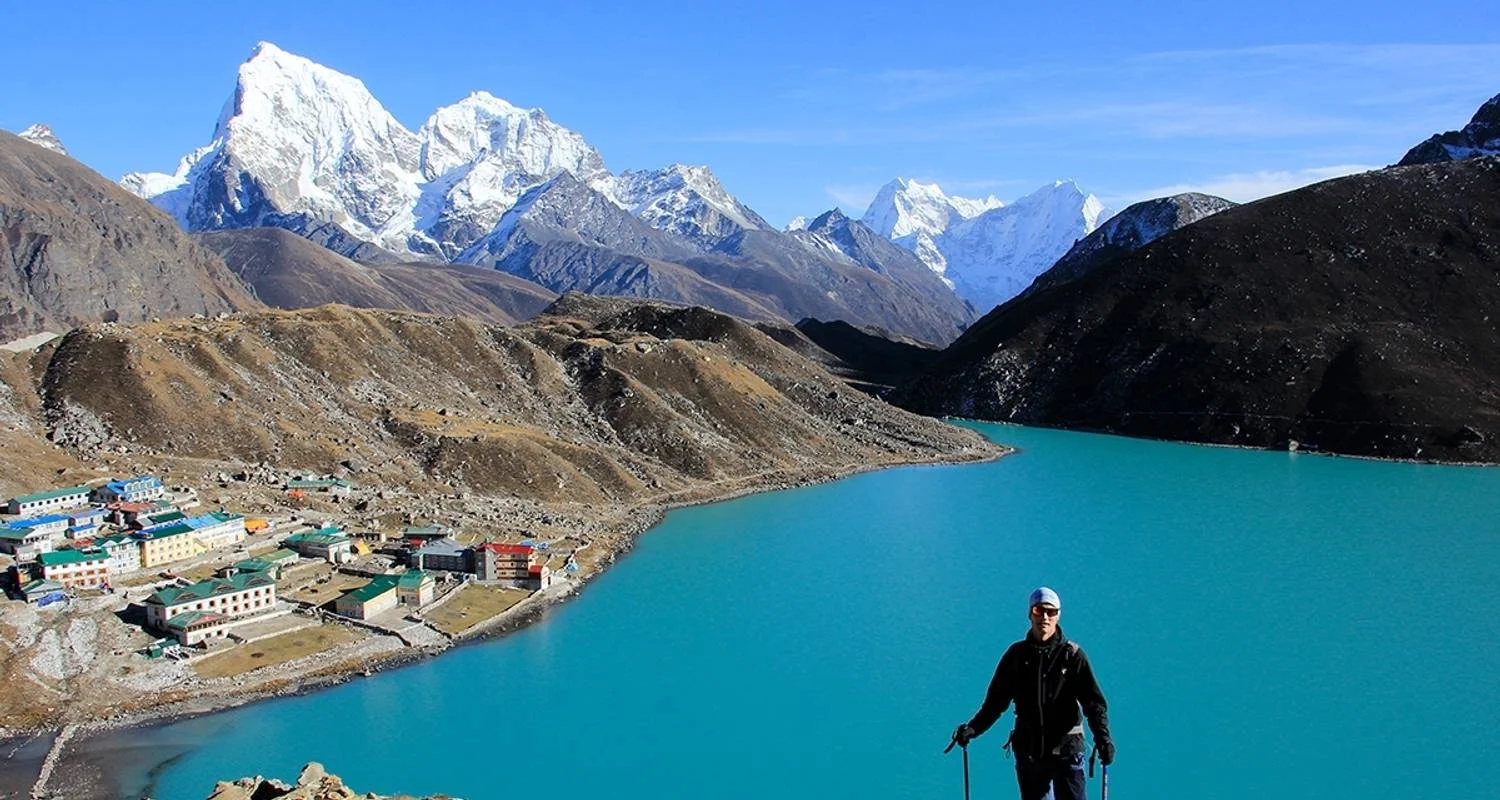
Les lacs Gokyo, les lacs d'eau pure les plus élevés, s'élèvent à environ 5 000 mètres au-dessus du niveau de la mer. Les glaciers entourent ces lacs, les cols et les sommets enneigés de l'Himalaya situés dans la région de Khumjung, dans le district de Solukhumbu, au nord-est du Népal.


Les lacs Gokyo regroupent cinq lacs sacrés : Gokyo Cho (Dudh Pokhari) est le lac principal, Thonak Cho est le plus grand lac et Ngojumba Cho est le plus petit.


Les lacs de Gokyo ne sont pas seulement naturels, ils ont aussi une signification religieuse. Lors de la commémoration spéciale du festival Janai Purnima


Des centaines d'hindous se rendent à Gokyo pour se baigner dans les eaux anciennes des lacs sanctifiés. Les gens vénèrent le Nag Devata (dieu serpent) et ont construit un temple pour les divinités hindoues Vishnu et Shiva.


Avantages de la randonnée des lacs Gokyo

Ce trek mène à une vallée moins fréquentée et plus calme, l'une des alternatives parfaites au trek du camp de base de l'Everest. Ensuite, en suivant la rivière Dudh Koshi, le voyage monte jusqu'à sa source, le Gokyo Cho (Dudh Pokhari). Ensuite, en marchant le long du glacier Ngozumpa, le plus grand glacier de l'Himalaya, les trekkeurs vivent une expérience inoubliable.


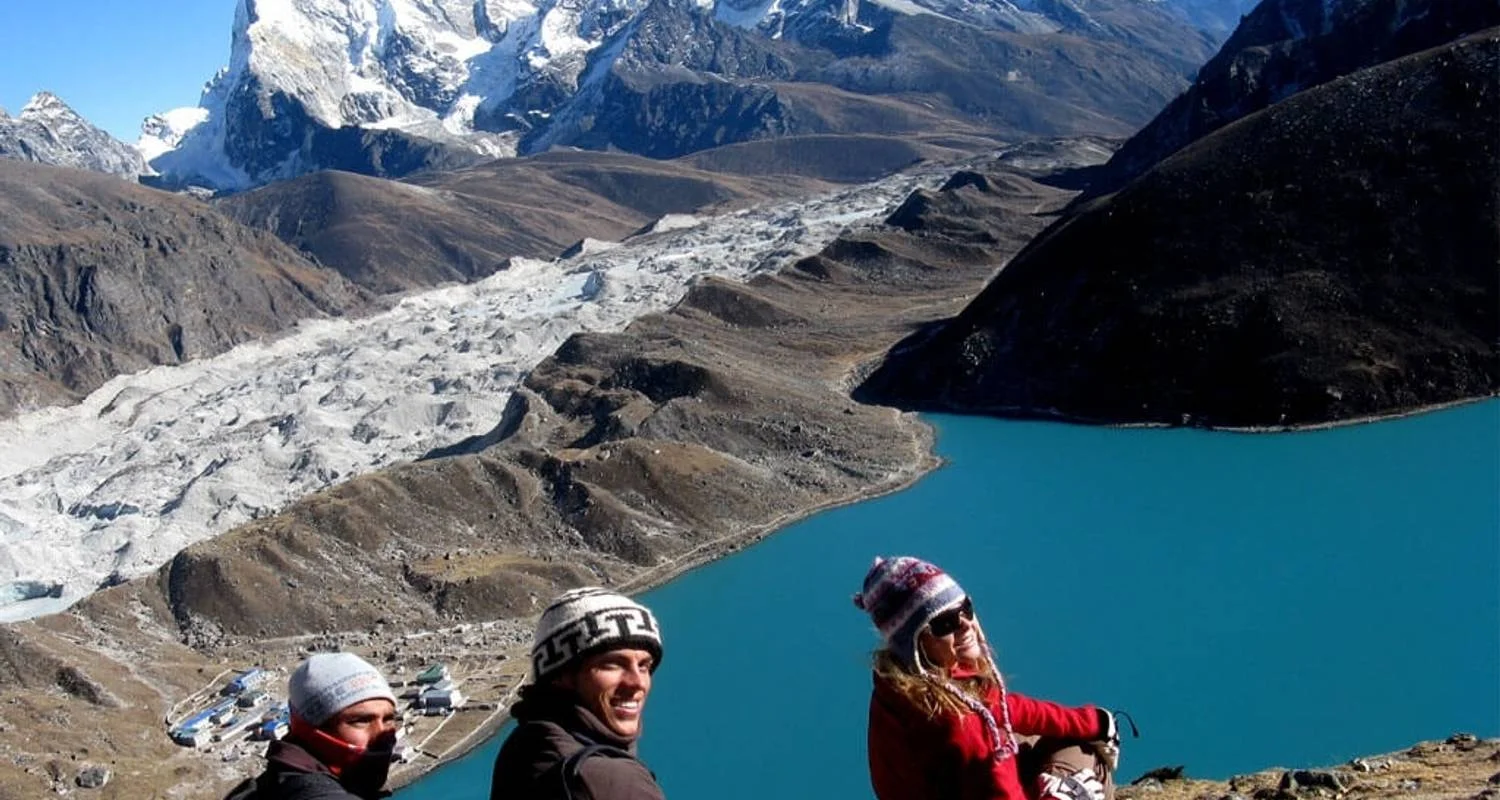
En profitant des eaux bleues et brillantes des lacs de Gokyo, les randonneurs peuvent profiter d'une vue panoramique à 360 degrés sur l'Everest, le Lhotse, le Makalu, le Cho Oyu, le Cholatse, le Taboche et bien d'autres sommets.


Outre le lever et le coucher du soleil sur les pics géants, les randonneurs explorent une flore et une faune variées au cours de leur périple. La découverte de la culture Sherpa, de son style de vie, de ses festivals et de son mode de vie est un autre aspect positif de ce voyage.


Itinéraire du trek des lacs Gokyo

Nous commençons notre voyage vers les lacs Gokyo par un vol matinal captivant vers Lukla (2840 m) depuis l'aéroport de Katmandou (1350 m). Il faut environ 40 minutes pour atterrir à Lukla depuis Katmandou, et le vol passe entre les collines, les pics enneigés et les vallées avec une vue magnifiée de l'Himalaya. Le même jour, nous faisons une courte randonnée jusqu'à Phakding (2610 m). Phakding est un petit village avec de nombreux hôtels, maisons de thé et petites boutiques de thé.


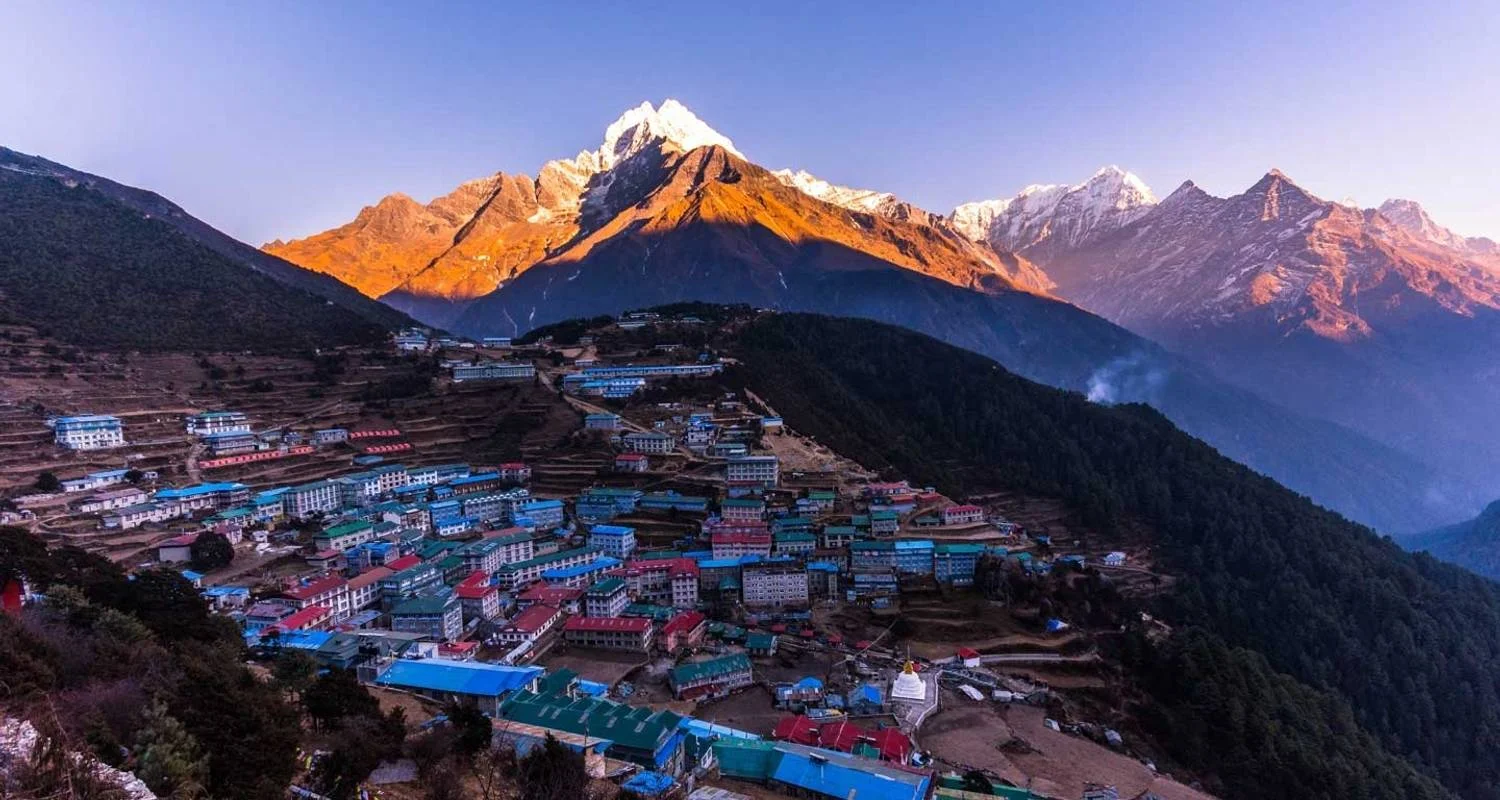
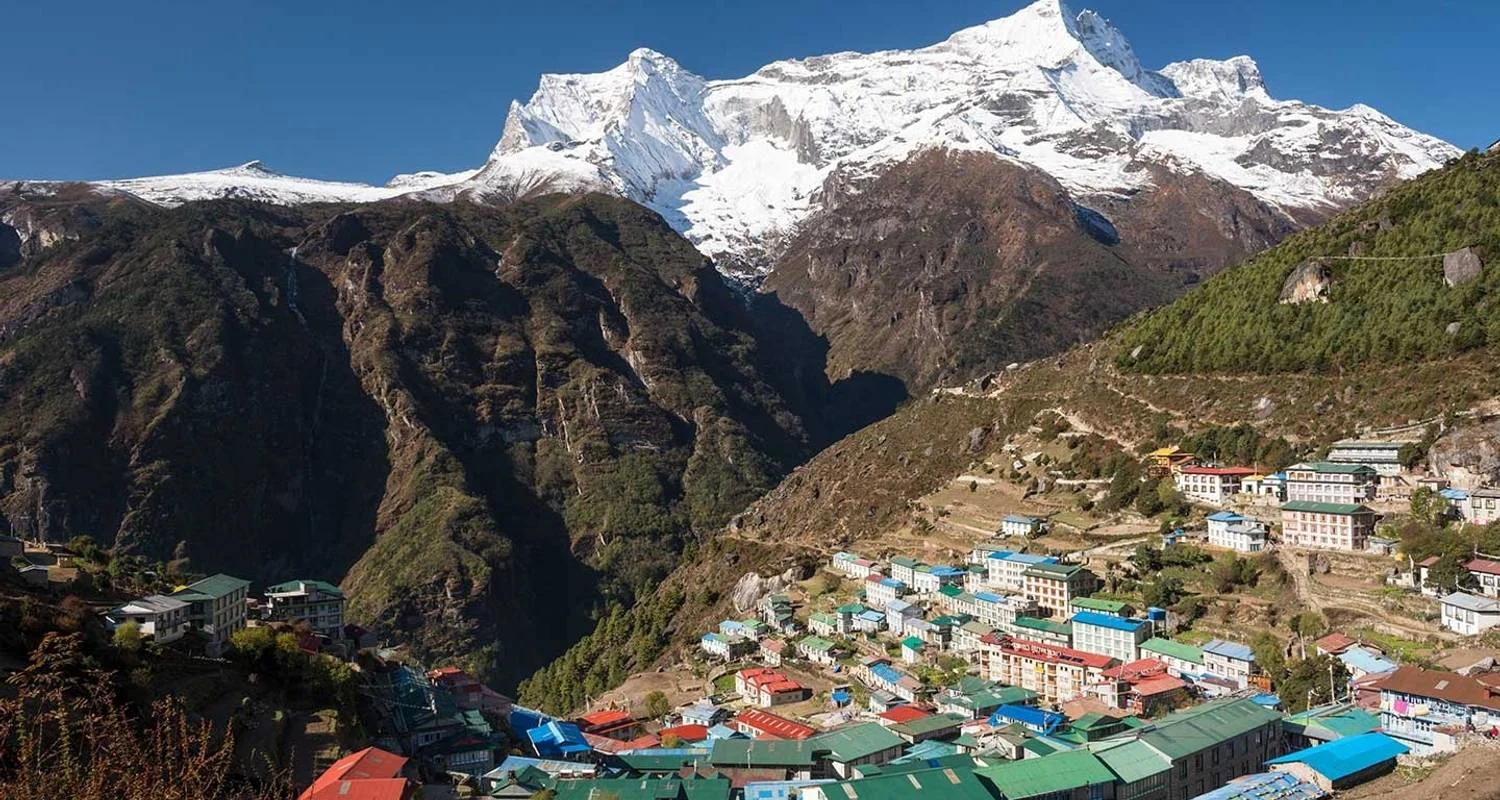
Le lendemain, nous montons à Namche Bazaar, un village qui réserve de nombreuses surprises. Célèbre pour être la porte d'entrée de l'Everest, Namche Bazaar est un centre touristique où l'on trouve tout ce qu'il faut pour le trek. Vous y trouverez des magasins de bricolage, des restaurants, des cafés, des banques, des distributeurs automatiques de billets et des boulangeries.


Avant de poursuivre l'ascension vers Dole, Maccherma (communément appelé Macchermo) et la vallée de Gokyo, nous nous arrêtons à Namche Bazar à des fins d'acclimatation. Nous atterrissons enfin à Gokyo (4790m/15715ft), notre destination finale. Nous parcourons la vallée de Gokyo et nous nous immergeons dans sa beauté. De magnifiques paysages enneigés entourent les lacs de Gokyo. La fonte des neiges forme les eaux pures des lacs.


Le lendemain, nous nous réveillons tôt pour entreprendre une ascension difficile mais gratifiante jusqu'au Gokyo Ri (5350m / 17562 ft), le point culminant de tout le trek. Gokyo Ri est célèbre pour ses vues imprenables. La vue la plus proche possible du mont Everest et de ses sommets environnants est à couper le souffle. De même, les lacs de Gokyo, toute la vallée de Gokyo, le glacier Ngozumpa et les environs glacés sont impressionnants depuis ce point.


Après avoir exploré tout cela, nous retournons à Lukla par le même chemin d'ascension. De Lukla, nous prenons un vol matinal pour Katmandou et concluons notre voyage épique vers les lacs de Gokyo.

Programme du circuit

Day 1

Jour 1 : Arrivée à Katmandou (1350m / 4429ft)

Hello!! Warm greeting!! Brace yourself for the excitement you are about to experience in this Himalayan nation of Nepal. Upon your arrival at Kathmandu Airport; we’ll meet, exchange goodwill with each other then you’ll be escorted to your hotel via a private vehicle.

Here, you can take a break and loosen up your stressed muscles after a tiresome flight. In the evening, you may wander around the delightful Thamel market. There you can feel a unique aroma in its atmosphere while observing its vibrant colors. 


Point de départ

Tribhuvan International Airport (KTM) त्रिभुवन विमानस्थल, त्रिभुवन विमानस्थल, Kathmandu, Bagmati, Nepal

Day 2

Jour 2 : Vol vers Lukla (2 800m/9 184ft) et trekking vers Phakding (2 652m/8 700ft)

We’ll board a scenic flight today, which utilizes about 30 minutes to reach Lukla from Kathmandu. En route, we’ll be greeted by the aerial view of irresistible snow-clad mountains within the Himalayan range.


Once, we set our foot on land, we pursue the trail that advances the mountainside positioned on the left bank of the Dudh Koshi river.


Along the way, we come across the settlement of Chaurikharka then to Chhelpung, where we can gaze Mt. Khumbu-Yul-Iha (5761m), which the local Sherpas believe to be resident of God of Khumbu. Subsequently, we proceed to Ghat (2,530m).


The Ghat Village comprises Mani walls, small Gompa, man-sized prayer wheels, and a jungle of prayer flags. Eventually, we make it to Phakding (2,652m).

Day 3

Jour 3 : De Phakding à Namche Bazar (3 440m/11 283ft)


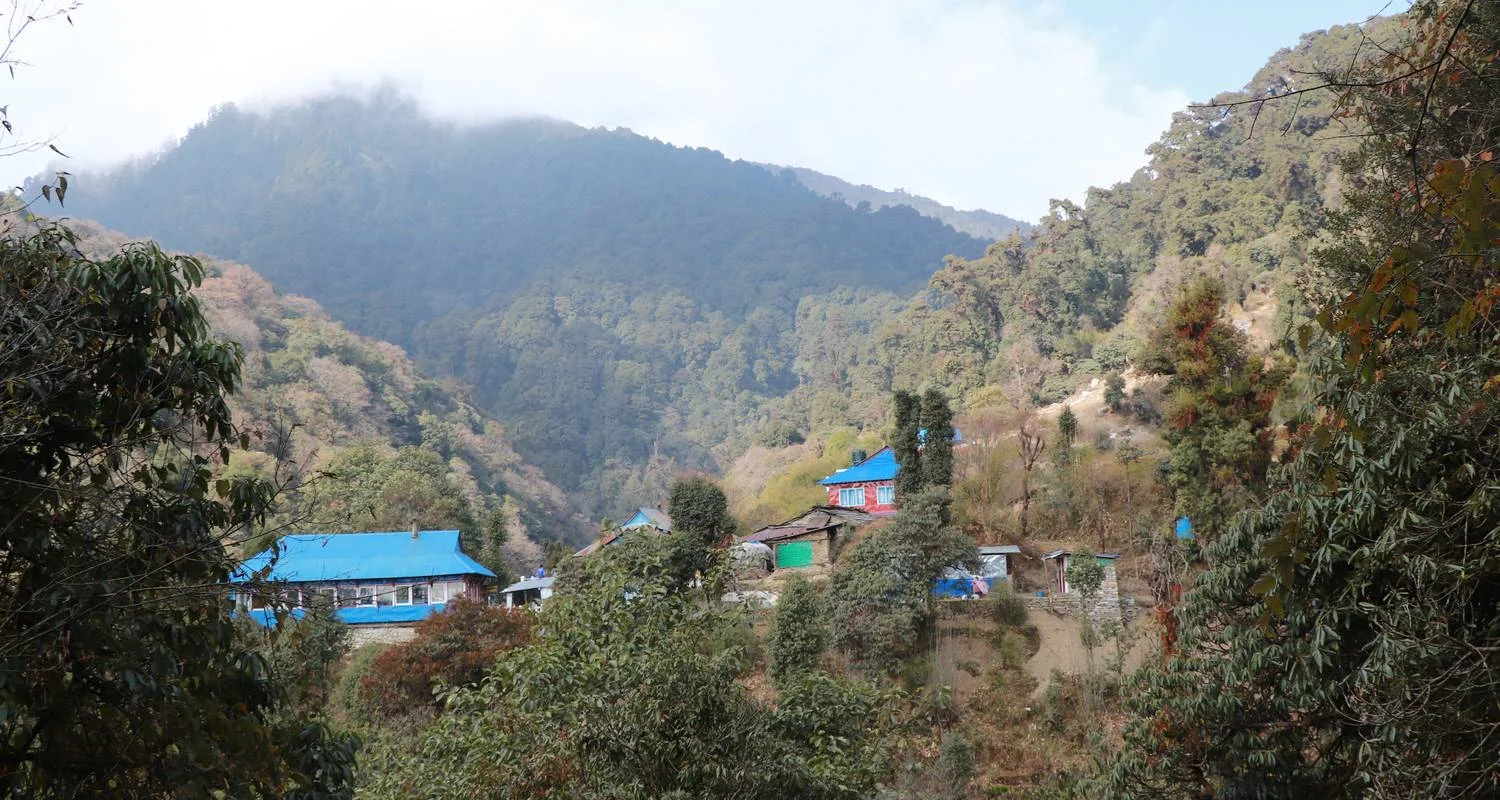
With the break of day, we’ll commence our trek on the trail progressing across Dudhkoshi River via a long suspension bridge. Thereafter, the trail makes its way beyond the enchanting woodland of rhododendron and fir to Monjo.


Shortly, we’ll arrive at the entry point of the Sagarmatha National Park (a UNESCO world heritage site since 1979A.D.), where we are required to show our trekking permits. Succeeding the check of the permits, we move along the trekking trail to Jorsale.


On the way, we catch the sight of beautiful Mani walls. Finally, we now ascend 600m uphill to Namche Bazaar (3,440m), the Sherpa capital of the Khumbu region.


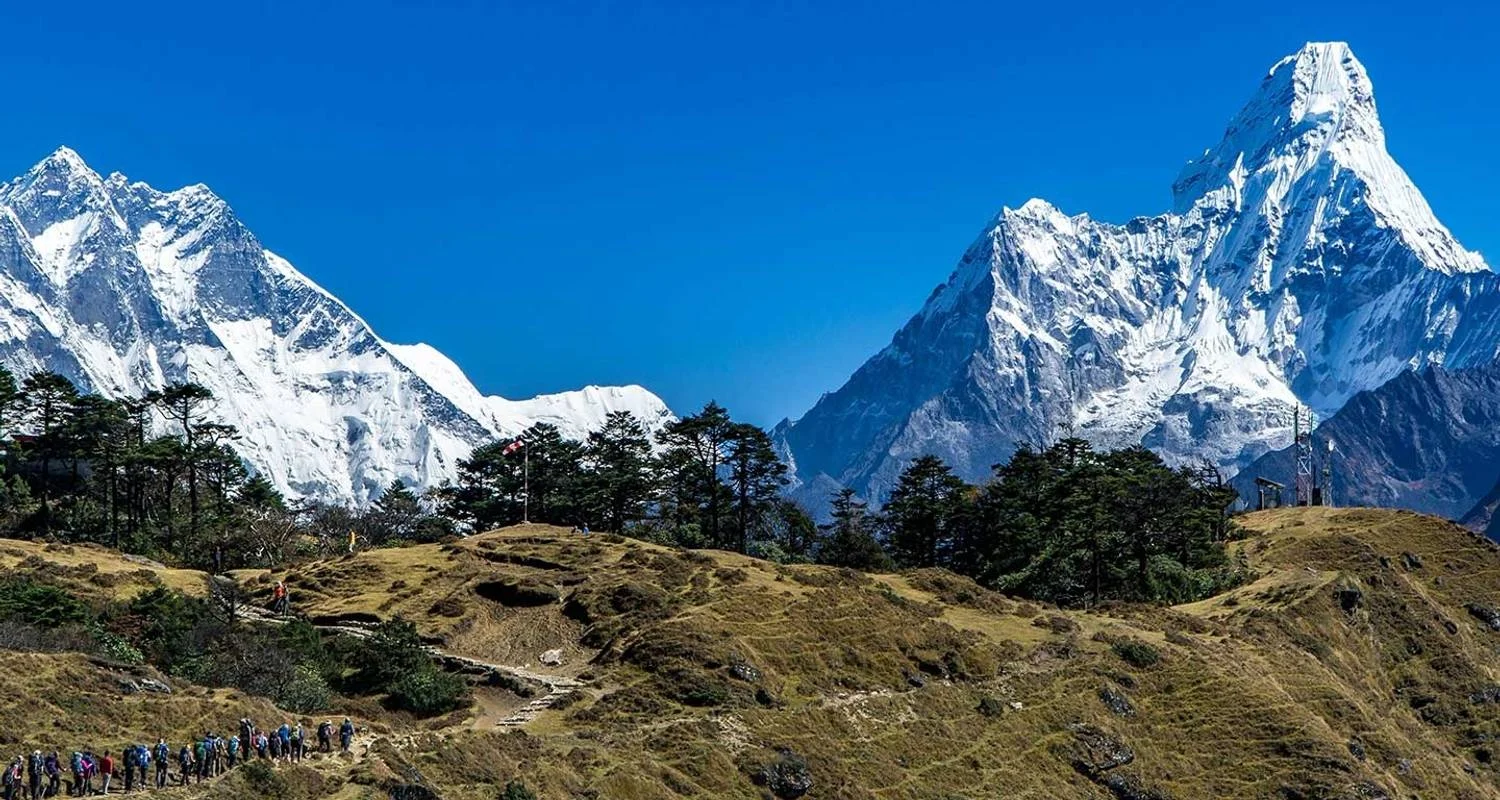
Generally, the initial sight of Mt. Everest (8,848m), Nuptse (7,861m), and Lhotse (8,414m) can be spotted upon arriving at Toap Hill.


Surrounded on three sides by mountain ranges; the Sherpa settlement of Namche Bazaar opens out towards Dudh Koshi River, and functions as a center of commercial as well as the administrative activity of the entire region. 

Day 4

Jour 4 : Journée d'acclimatation à Namche bazaar - Randonnée jusqu'à l'hôtel Everest View


Namche Bazaar bestows the window of opportunity to observe the sublime vistas, chiefly. Today is our first acclimatization day.


We accommodate our bodies according to higher elevations where the surroundings contain a lower level of life-saving oxygen. In order to acclimatize properly and speedily, we hike along a path beyond the hill to Everest View Hotel.


On the way, we may get a glance of Himalayan Tahr grazing nearby. Here, we can witness the awe-inspiring view of the Everest range.


Afterward, we return to Namche Bazaar and explore the National Park Museum that renders the facts relating to the Himalayas, traditions of Sherpas, and the native flora and fauna. 

Day 5

Jour 5 : Trek à Dole (4 200 m / 13 780ft)

This very day, we make our way to Khumjung Village (3,790m) renowned for the monastery with a purported Yeti scalp. Then, we continue to follow the trail which now descends out of the valley across rhododendron woodland.


Thereupon, the trekking trail advances to Sanasa and ascends to Mongla Danda (3,975m). From here, the trail plummets to Phortse Thanga.


Climbing uphill past the alluring forest of rhododendron, we trek past a handful of summer settlements utilized by Sherpas and end up at Dole (4,200m).


From this village, we can take pleasure from the wonderful vistas highlighting Mt. Khumbila (5,761m) and Mt. Tawache (6,542m) throughout the clear day.

Day 6

Jour 6 : Trek vers Machhermo (4 470m/ 14 663ft)


It’s day seven of our journey and we resume our trekking journey. We now make a climb along the side of the valley and stay on the trail, which progresses across summer settlements of Sherpas such as Lhabarma (4,330m) and Luza (4,390m).


Along the trail, we can witness the striking outlook comprising Dudh Koshi valley alongside some villages on the horizon. Adjacent to that, we can also take pleasure in the snow-capped mountaintops such as Cho Oyu (8,818m), Kantega (6,782m), and Thamserku (6,608m) functioning as the backdrop.


Utilizing just a few hours; today’s trek is relatively short and pleasant. Therefore, we reach the village of Machhermo (4,150m) in the middle of the day.


In order to make use of our remaining time, we visit the Himalayan Rescue Association aid post situated in the village.


This aid post specializes in cases related to altitude sickness and volunteer doctors stationed here extend professional lectures and advice related to Acute Altitude Sickness (AMS).

Day 7

Jour 7 : De Machhermo à Gokyo (4 800 m)

Machhermo to Gokyo (4,800m/15,744ft)

Accompanied by the alluring outlooks of snow-covered Kangtega and Thamserku mountains above the lovely valleys; today, we’ll make an ascent to the higher elevations.


Along the trekking trail, we can observe Mt. Cho Oyu and its majesty from a close distance. Also, we can catch a glimpse of Himalayan snow pheasant and other high Himalayan birds. The trail now proceeds through the settlement of Phang (4,550m).


From this point onwards, few stretches of trail harbor multiple layers of ice; thus, it’s highly recommended to be cautious of this hazard.


Subsequently, we progress beyond the various lakes of the Gokyo Lake System and make it to Gokyo Village i.e. positioned on the west side of the Ngozumpa glacier: the largest glacier in the Himalayas

Day 8

Jour 8 : Vallée de Gokyo : Jour d'acclimatation - 4ième et 5ième randonnée aux lacs Gokyo

Accompanied by the alluring outlooks of snow-covered Kangtega and Thamserku mountains above the lovely valleys; today, we’ll make an ascent to the higher elevations.


Along the trekking trail, we can observe Mt. Cho Oyu and its majesty from a close distance. Also, we can catch a glimpse of Himalayan snow pheasant and other high Himalayan birds. The trail now proceeds through the settlement of Phang (4,550m).


From this point onwards, few stretches of trail harbor multiple layers of ice; thus, it’s highly recommended to be cautious of this hazard.


Subsequently, we progress beyond the various lakes of the Gokyo Lake System and make it to Gokyo Village i.e. positioned on the west side of the Ngozumpa glacier: the largest glacier in the Himalayas

Day 9

Jour 9 : Randonnée sur le Gokyo Ri (5 357m/17 570ft) et retour à Dole


This morning, we go ahead with our trek to Gokyo Ri (5,357m), which overlooks Gokyo Village situated eastern shore of the Dudh Pokhari (third Gokyo Lake).


It takes about three hours to conquer the summit where we can lay our eyes on the grandeur of snow-covered massifs. This phenomenal vista embraces the more of Everest gracefully surrounded by Makalu (8,485m), Lhotse (8,516m), and Cho Oyu (8,188m).


Besides these, you can also spot other magnificent peaks like Nuptse (7,861m), Changtse (7,543m), and many more. Few speculate that the finest Everest view observed from here is even better than that from Kala Patthar.


Eventually, we climb down to Goyko then continue down to the Machhermo. At the end of the day, we arrive in Dole village (4,200m).

Day 10

Jour 10 : De Dole à Namche Bazaar

This day, we’ll eventually trek downhill to Phortse Thanga via an abrupt trail that traverses rhododendron woodland.

Afterward, the trail quickly ascends abruptly to Mongla Danda then makes a descent to Khumjung Village (3,790m). Confronting some rise and falls along the trail, we ultimately reach Namche Bazaar.

Day 11

Jour 11 : De Namche Bazaar à Lukla

Today is the last day of our Gokyo trekking. We tighten our shoelaces and commence our journey back to Lukla. Other than some bumpy stretches, the trekking trail is smooth and the trek on this section is pleasant.


Following this, we trek beyond Bhote Koshi River multiple times through suspension bridges. Finally, we’ll make a final descent to Lukla

Day 12

Jour 12 : Vol de Lukla à Katmandou

This time, we’ll fly back to Kathmandu from Lukla. The 30 minutes quaint flight takes you beyond the Himalayas, above the limitless sky; thus extending prepossessing aerial views of the amazing snowscapes.


At Kathmandu, you can make use of your remaining time by visiting the other landmarks of the city. Or, you can perform some last-minute shopping for souvenirs for your family and loved ones. If you had enough action, you may rest and relax in your hotel room.

Day 13

Jour 13 : Départ définitif

Day fifteen marks the end of your entire adventure. We hope you are happy and fully satisfied with our services and expertise. Either you may choose the next package and initiate a new escapade or you can fly back home.

We’ll drop you at the Kathmandu Airport; three hours prior to flight time so that, you don’t have to confront any troubles during your final moments in Nepal

Point d’arrivée

Kathmandu, Bagmati, Nepal

In the event of trip cancellation, you must notify in written to Accessible Adventure; and the following cancelation policies will apply:

56 days prior to departure - 80% refund.

42 - 55 days prior to departure - 70% refund.

29 - 41 days prior to departure - 50% refund.

01 - 28 days before departure- no refund.

INCOMPLETION OF YOUR HOLIDAY

No refund will be made who leave out from the tour regardless of whatever portions remain unused in the program.

UNFORESEEN CIRCUMSTANCES

-Accessible Adventure reserves the right to cancel or refuse your booking due to unforeseen circumstances like war, natural disasters, conflict, unfavorable climate etc.. In this event, Accessible Adventure may offer you an alternative trip of a similar standard. In case, the alternative tour doesn?t meet to your interest, Accessible Adventure will refund all monies paid by you.

-Accessible Adventure will not take responsible for any delay or cancellation of flights due to bad weather conditions, road blockage, landslides, strike. Any expesnes incurred during this period will be your responsible.

PARTICIPANTS RESPONSIBILITIES

-It is your responsibility and ensure yourself that you have a valid passport at least 6 months, and all necessary visas, permits or travel insurance for your selected holiday. Accessible Adventure will not be responsible for any problems, delays or denied entry in the event you are not having of valid travel documents.

-It is your responsibiltiy to follow the laws and regulations of the counties visited. In case of voilation of laws and regulation; you are oblised to leave out the tour anytime without any claims or complaints against Accessible Adventure. In such a case, Accessible Adventrue will not be responsible for any refund, compensatoin or addtional expenses incurred by you.

-It is your responsibility to look after your belongings yourself. Accessible Adventure will not take responsible for any loss, theft or damage to any of your belongings.

Détails du circuit

Hébergement

Deux nuits avec petit-déjeuner dans une suite de luxe à Katmandou ou dans un hôtel identique à Katmandou.

Hébergement standard en Teahouse dans les meilleurs lodges locaux tout au long du trek ; hébergement avec salle de bain privée et douche chaude à Phakding, Namche et Lukla.

Le meilleur hébergement disponible dans les lodges à deux personnes pendant le trek était la salle de bain attenante avec douche chaude à Lukla, Phakding et Namche.

Bon à savoir

Devise

NPR

Nepalese Rupee

Népal

Customer reviews

Operator

4.9

Faq Tour

How can I book a tour?
You can order a tour on our website by selecting the desired dates and clicking the “Confirm dates” button. You can also contact our sales department by phone or email.
Which payment options are available?
We accept credit cards, bank transfers and other popular payment methods.
Can I change or cancel my reservation?
Yes, changes or cancellations are possible, however penalties may apply depending on the time before the tour starts.
What documents are required to participate in the tour?
You will need a passport with a valid visa (if required) to visit countries along the tour route.
Home
Search
Profile