
Overview
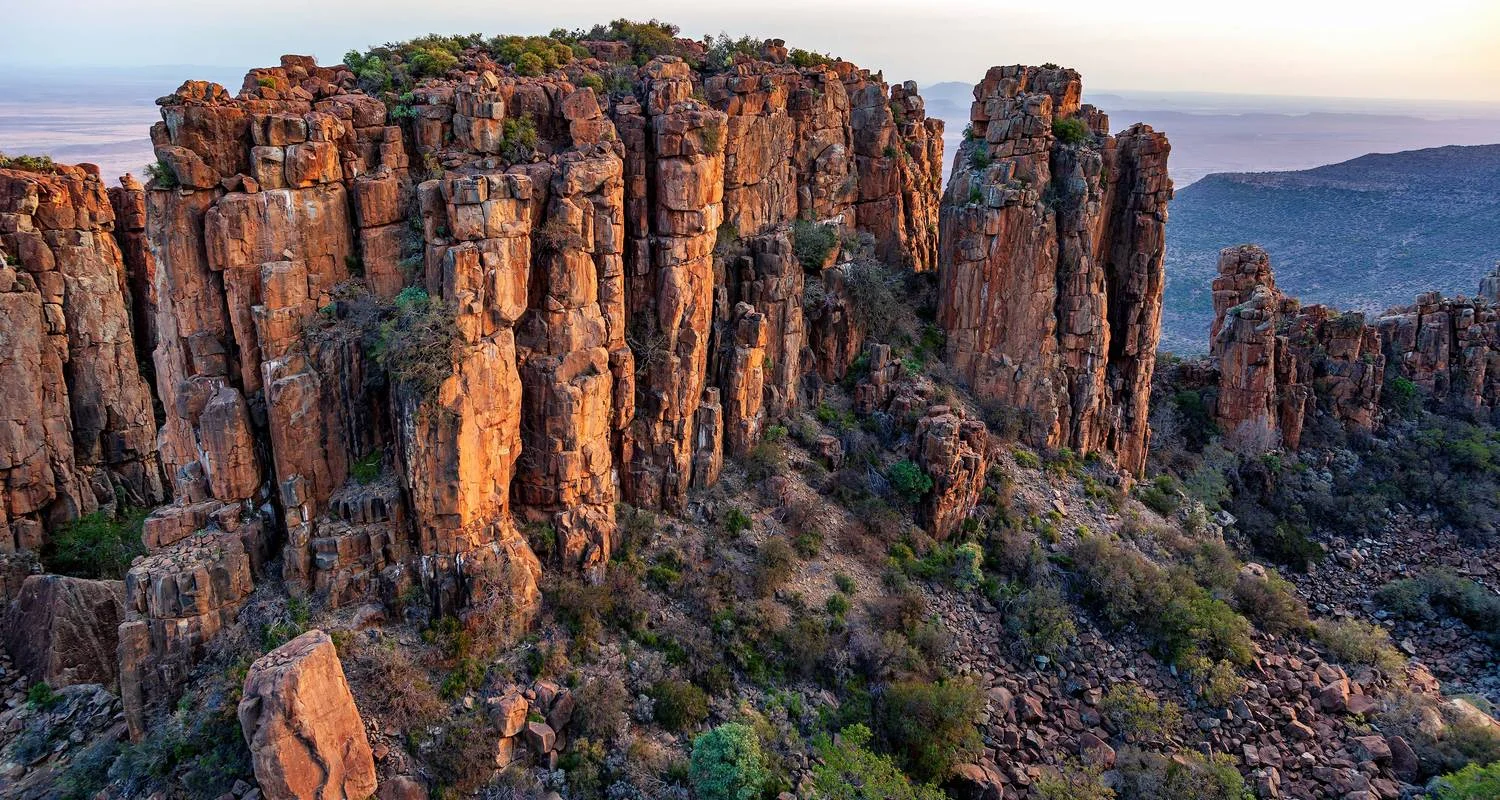
Begin in Fayoum’s cultivated basin and move gradually into the desert’s deeper layers — from ancient settlements on the desert rim to fossil plains, shifting lakes, and the threshold of Egypt’s great dune systems. The day follows a natural progression: traces of early human presence, prehistoric forests turned to stone, and the vast open spaces surrounding Wadi Al-Hitan. By late afternoon, the landscape opens into the sweeping dunes of Ghoroud Abu Muharrak before you settle into your desert lodge for a quiet evening under open skies.
Itinerary
Departure from Fayoum
Your expedition begins with a morning pickup from your Fayoum hotel. A private vehicle brings you toward the desert’s transitional zone, where your 4×4 vehicles take over for the off-road portion of the journey. This initial stretch sets the rhythm for the day — quiet, gradual, and steadily moving away from inhabited land into older geological layers.
Dima al-Sibāʿ
Explore the remains of Dima al-Sibāʿ, an ancient settlement positioned at the threshold between the cultivated Fayoum basin and the open desert. Its mud-brick buildings, scattered enclosures, and elevated viewpoints show how earlier communities controlled movement across this frontier. The site provides a clear sense of how human life once adapted to the desert edge — balancing agriculture, trade, and defense in a landscape that shifts quickly from fertile to arid.
Petrified Forest
Walk across a plateau dotted with fossilized tree trunks, some lying intact, others fragmented by time. These remnants belong to a prehistoric forest that once stood here millions of years ago. The combination of mineralization, erosion, and exposure has created a natural open-air archive, allowing you to stand directly on evidence of ancient climates and ecosystems that long predate human history. It is one of the region’s most striking geological contrasts.
Wadi Al-Hitan
Continue to Wadi Al-Hitan, the Valley of the Whales — a UNESCO World Heritage Site known for some of the world’s most important early whale fossils. Marked pathways guide you past skeletons preserved within the rock layers, offering a direct view of the natural processes that shaped this region over millions of years. The surrounding formations, shaped by wind, sedimentation, and long geological cycles, reveal a landscape where evolution and environment remain visibly connected. The experience is clear, grounded, and self-explanatory — no embellishment required.
Lunch in the Desert
Enjoy a quiet lunch in an open desert setting, with uninterrupted views of the escarpments and the wide fossil plains. The break offers a moment to pause before entering the deeper dune systems of the afternoon.
Magic Lake
Visit Magic Lake, known for the way its waters change color depending on sunlight, season, and mineral levels. The lake is framed by elevated ridges that provide natural viewpoints over the surrounding desert. It is one of the few places where water, sand, and rock appear together — creating a layered perspective on Fayoum’s geological structure.
Ghoroud Abu Muharrak
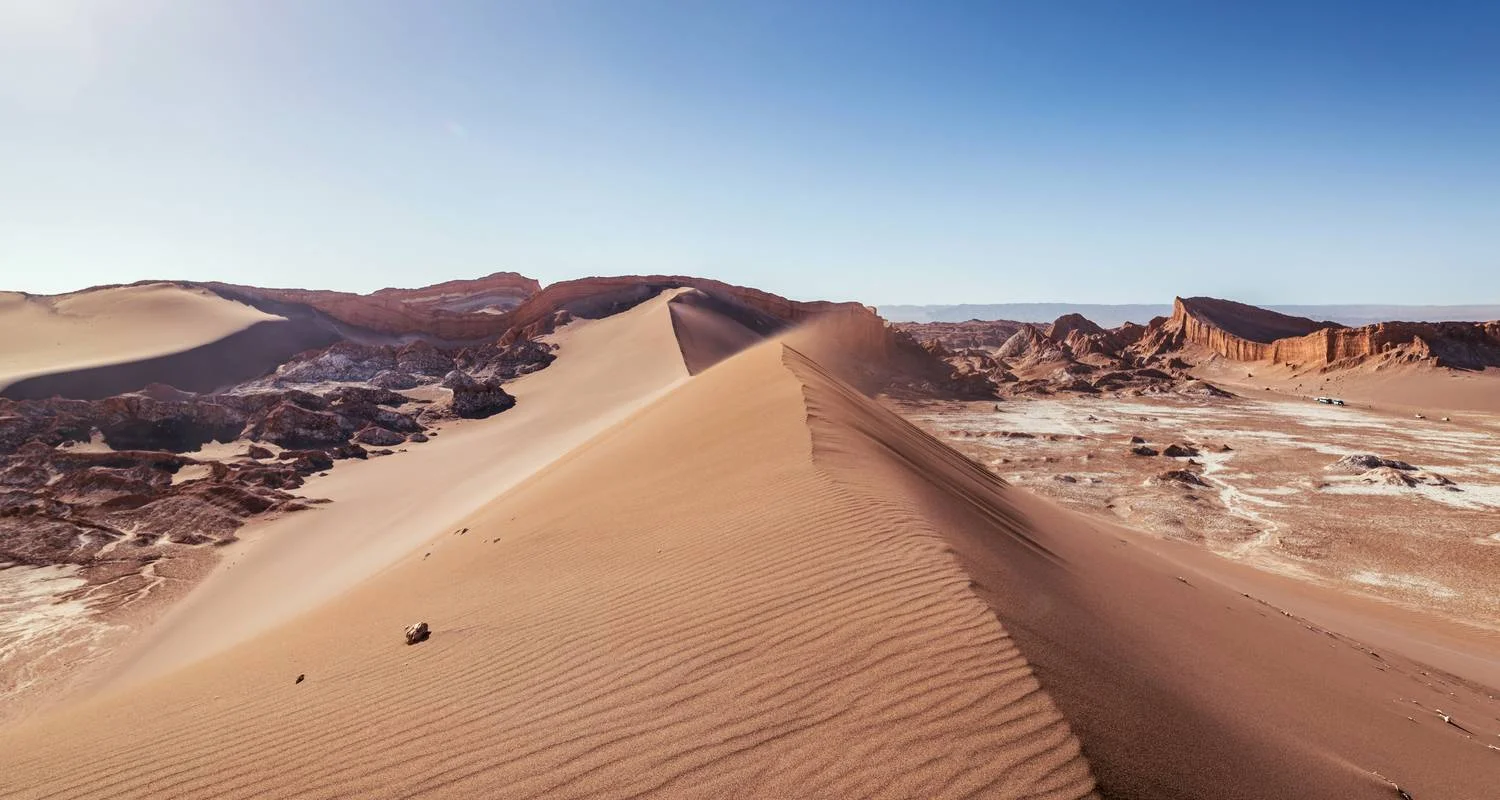
Travel toward Ghoroud Abu Muharrak, the longest continuous dune system in Egypt. The dunes are defined by long, clean ridgelines, fine sand textures, and wide corridors shaped by prevailing winds. The area demonstrates how desert morphology evolves over time: shifting, accumulating, and forming large-scale patterns that are visible even from afar. It is a clear example of the structural beauty found in Egypt’s western dunes.
Qusur El Arab – Dinner & Overnight
Arrive at your desert lodge in the Qusur El Arab area. The setting is simple, quiet, and surrounded by open land. Dinner is served at the lodge, followed by a night under clear desert skies — a calm end to a day structured around movement through ancient environments and natural formations.
Meals: Lunch, Dinner
Overnight: Qusur El Arab lodge
Visits:
• Dima al-Sabaa
• Petrified Forest
• Wadi Al-Hitan (Valley of the Whales)
• Magic Lake
• Ghoroud Abu Muharrak
• Qusur El Arab