Optional early morning trip Hot air balloon ride over the West bank of luxor
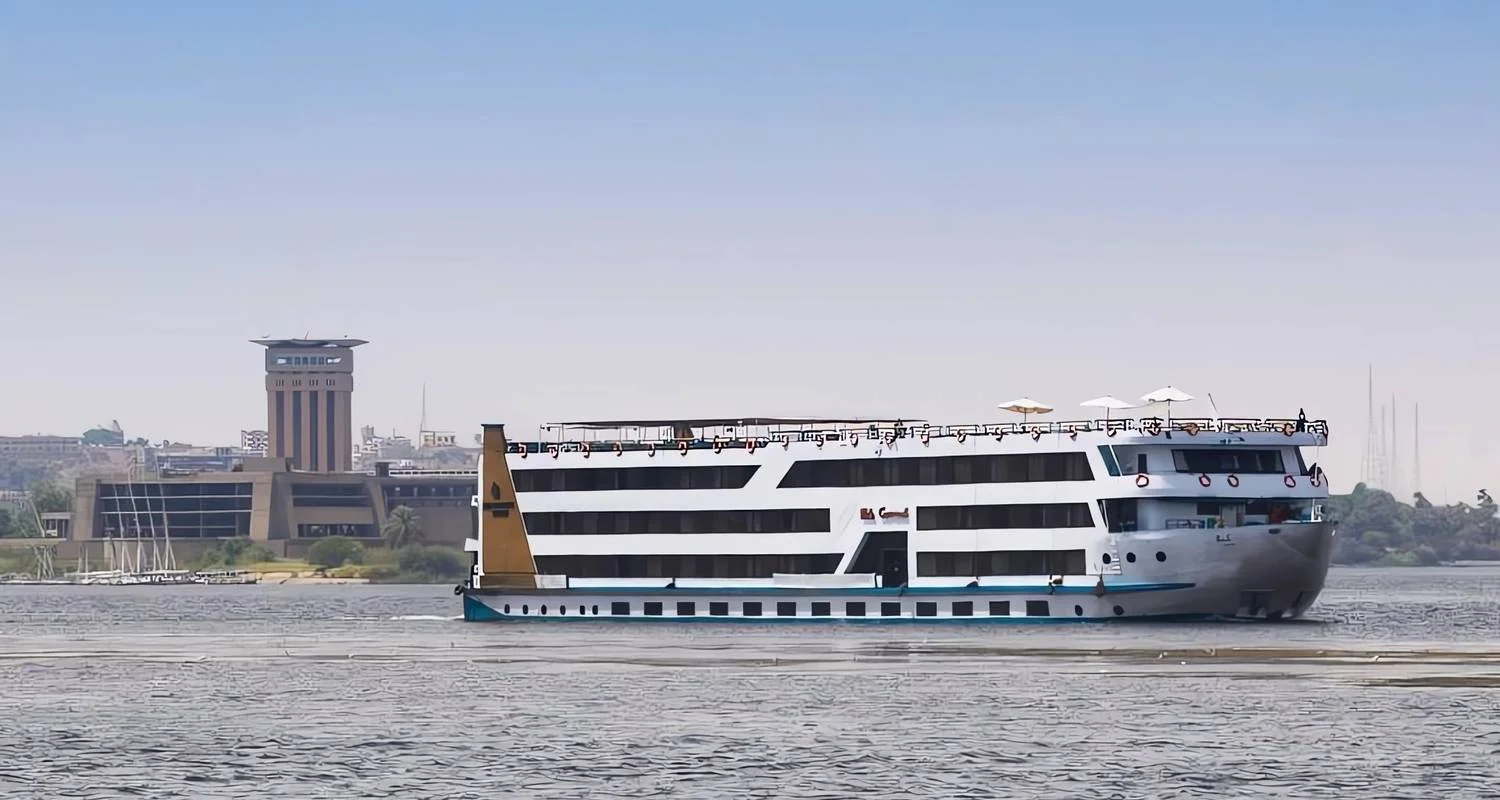
Check out from the cruise after breakfast and start visiting the following sightseeing
Valley of the Kings
At first glance, the Valley of the Kings, also known as the Valley of the Gates of the Kings, seems like no more than a sun-blasted gorge of generic red rock, but underneath all of its dust lay the tombs of 63 of the most important pharaohs in the history of Ancient Egypt. Used as a burial chamber for nearly 500 years from the 16th to 11th century BC, the Valley of the Kings was used for royal burials for the Kings, their families, and their possessions. In 1979, it became a World Heritage Site, as well as the rest of the Theban Necropolis.
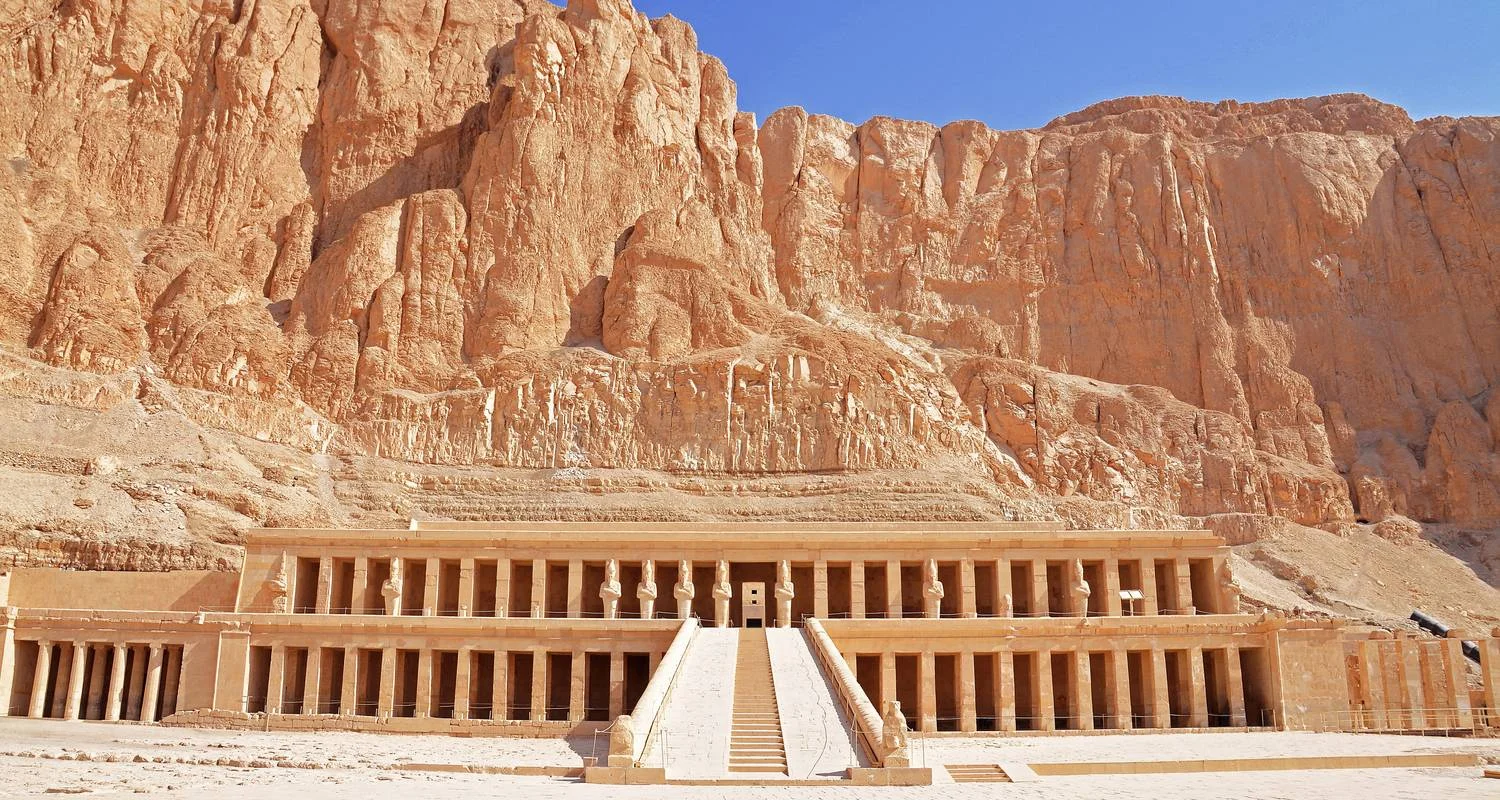
Temple of Hatshepsut
The mortuary temple of Hatshepsut (c.1478/72-1458 B.C.E.) dates from the New Kingdom. It nestles at the foot of the cliffs in a natural "bay" on the West Bank of Luxor. This area had long been sacred to the goddess Hathor and was the site of the earlier mortuary temple and tomb of King Nebhepetre Mentuhotep (c.2008-1957 B.C.E.) of the Middle Kingdom (ramp visible on the far left). After the introduction of Christianity, Hatshepsut’s temple was used as a monastery, hence its modern name, Deir el-Bahri, Arabic for "Northern Monastery."
Colossi of Memnon
One of the biggest tourist attractions in Luxor, the Colossi of Memnon gained its popularity due to its majestic appearance and for the mysterious sounds emitted by the northern colossus statue at every sunrise.
NOTE : During the festive season,Holiday Supplements
Please note that during the high season, especially Christmas and New Year, most hotels and Nile Cruises apply mandatory festive supplements from 25th Dec To 1st of Jan.