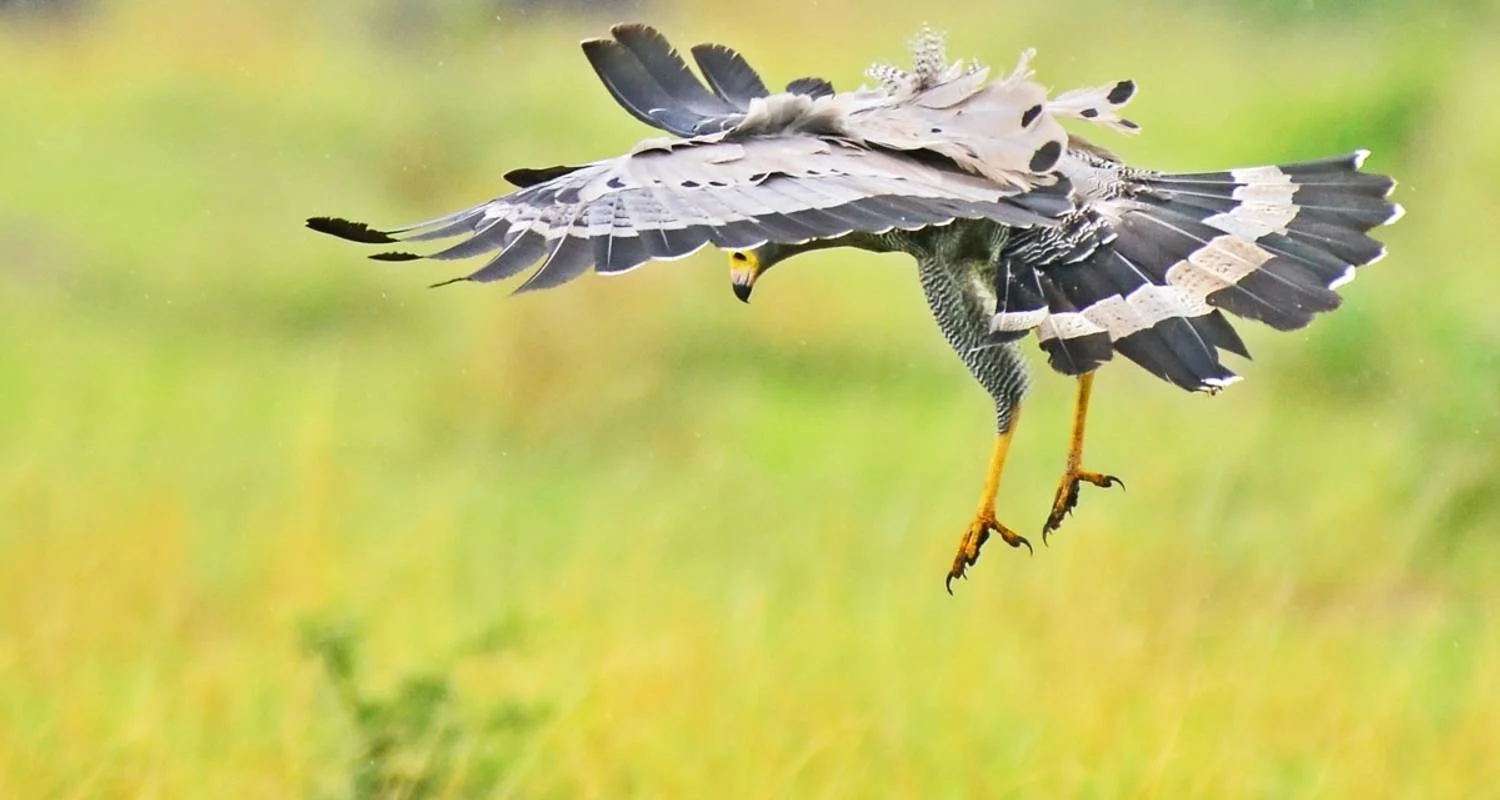
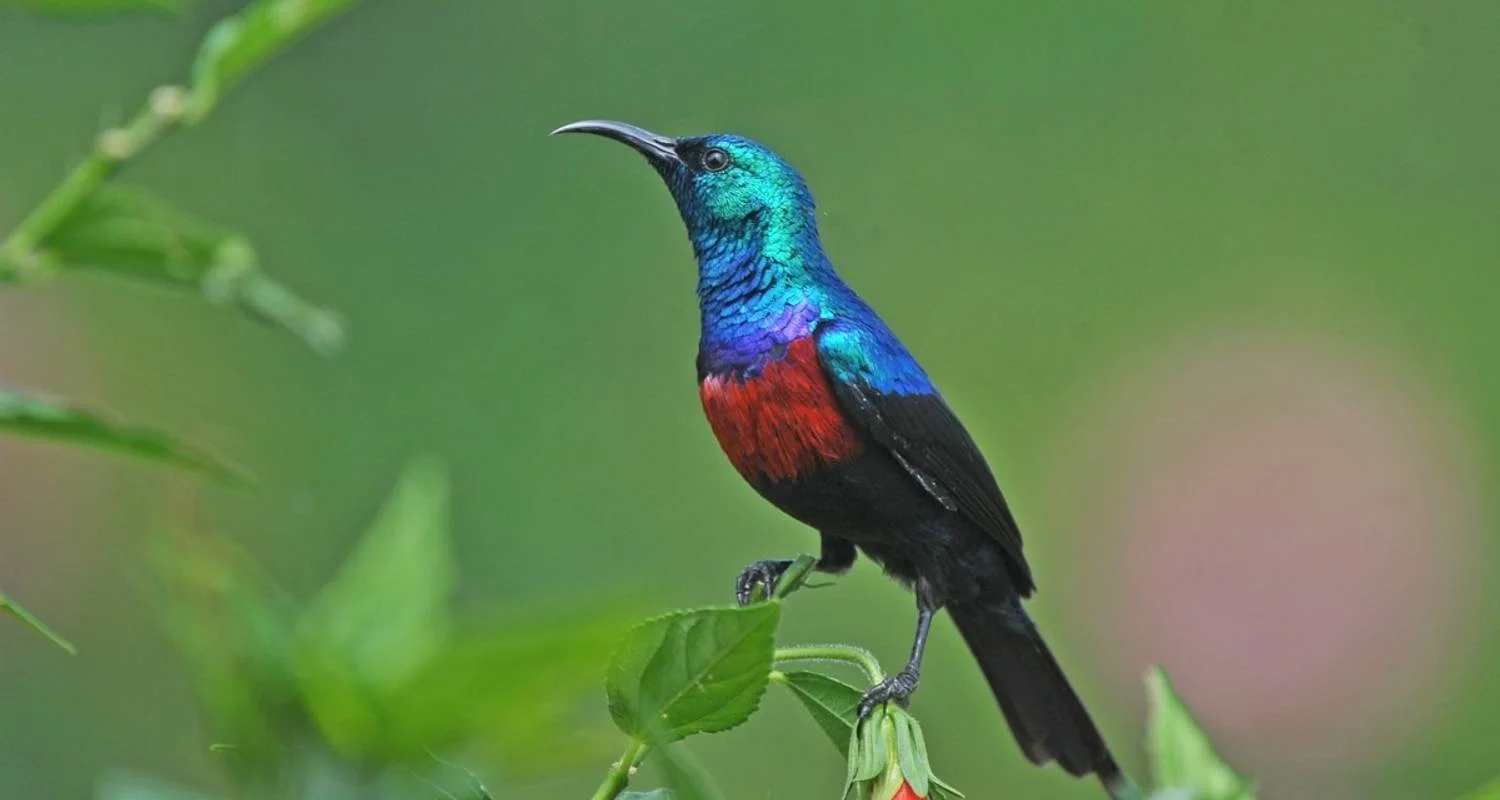
Three days will be spent exploring Kidepo. Activities will include bird watching, day and night game drives, a cultural visit to the Karamajong communities for some cultural performances, games, and bird walks within the park.
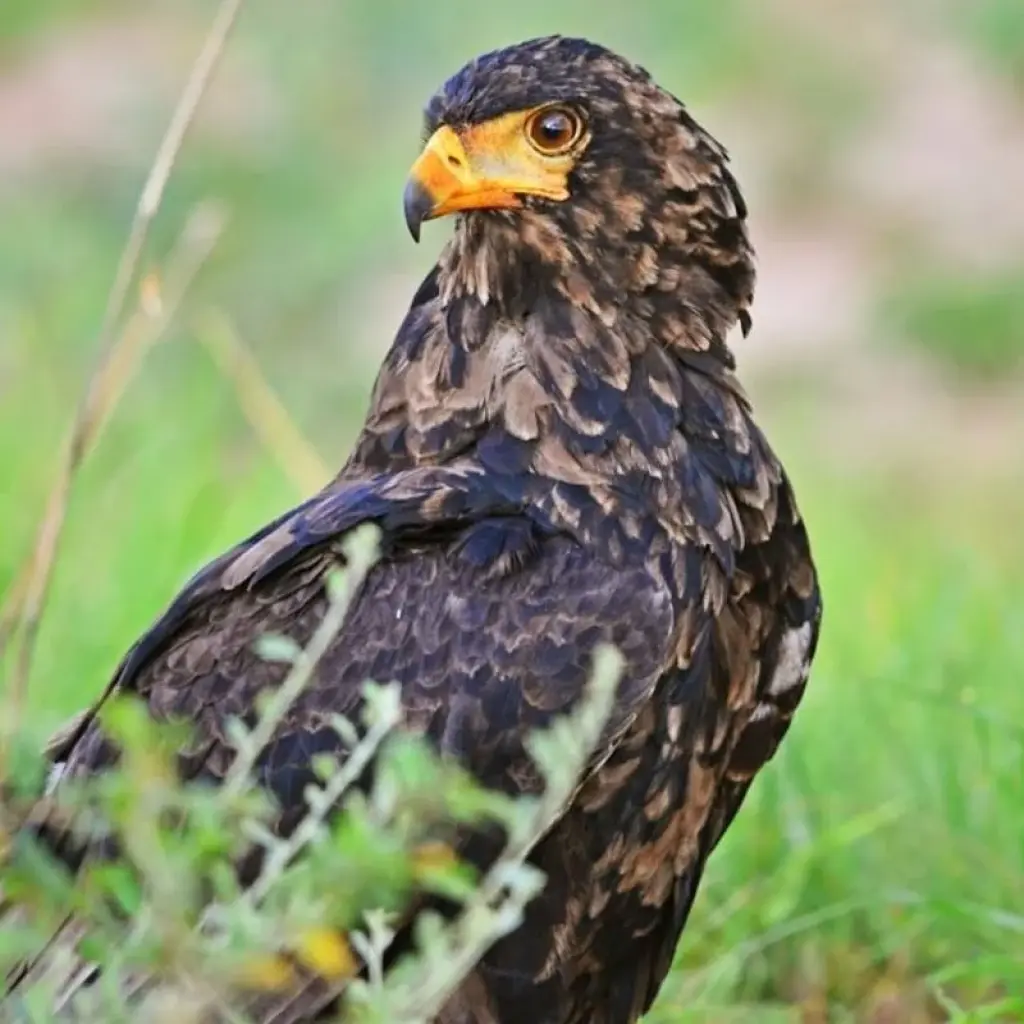
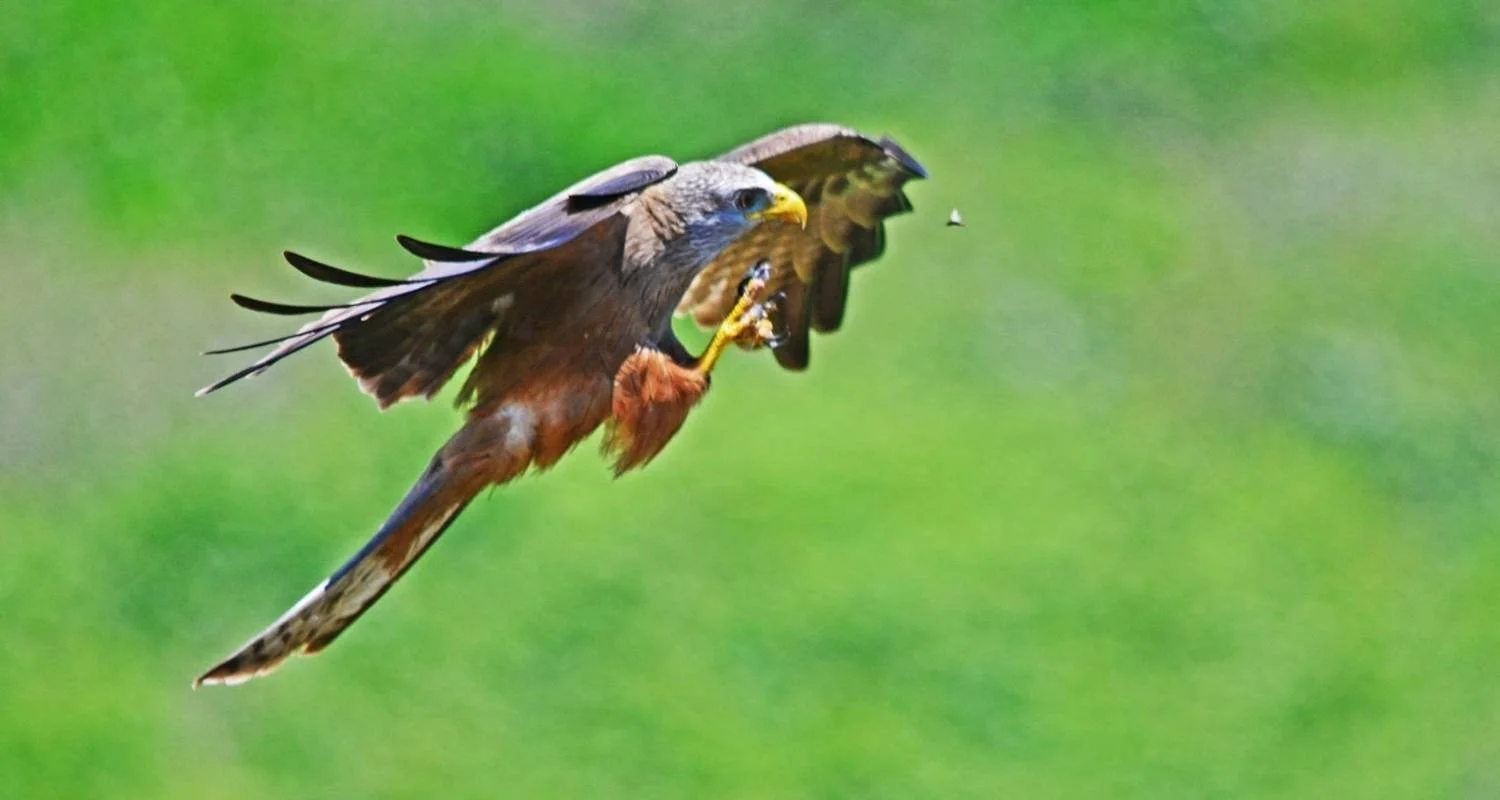
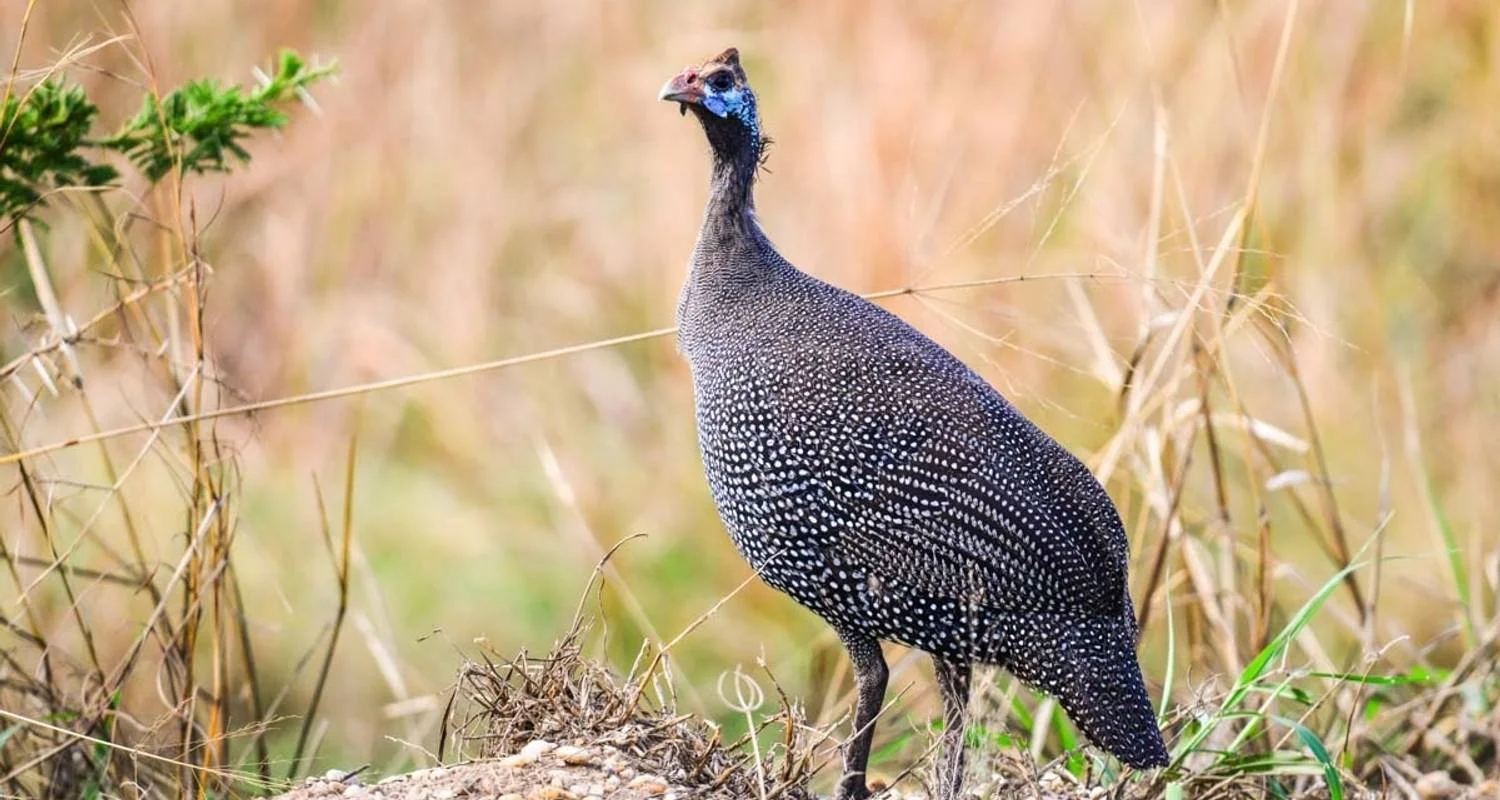
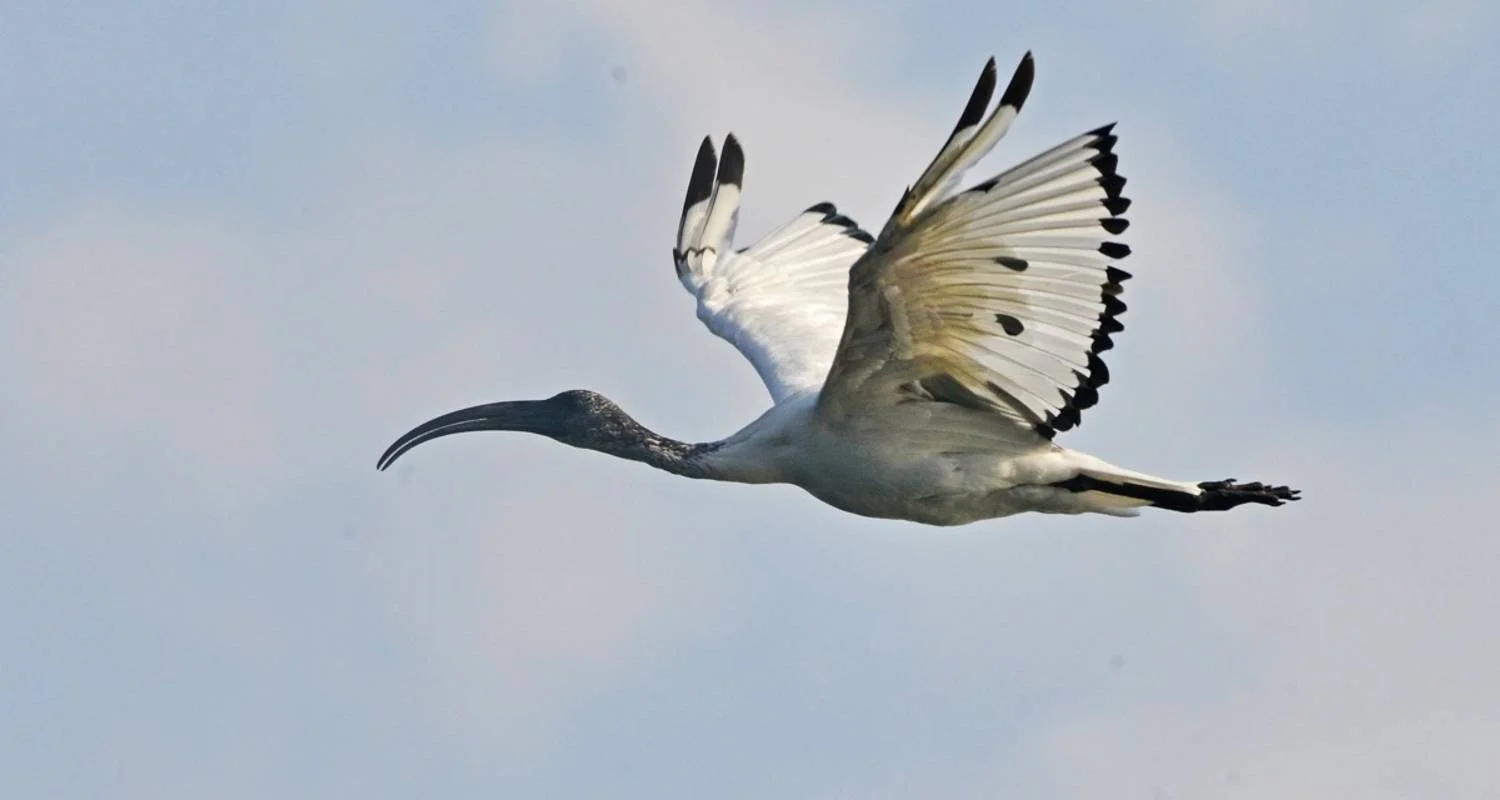
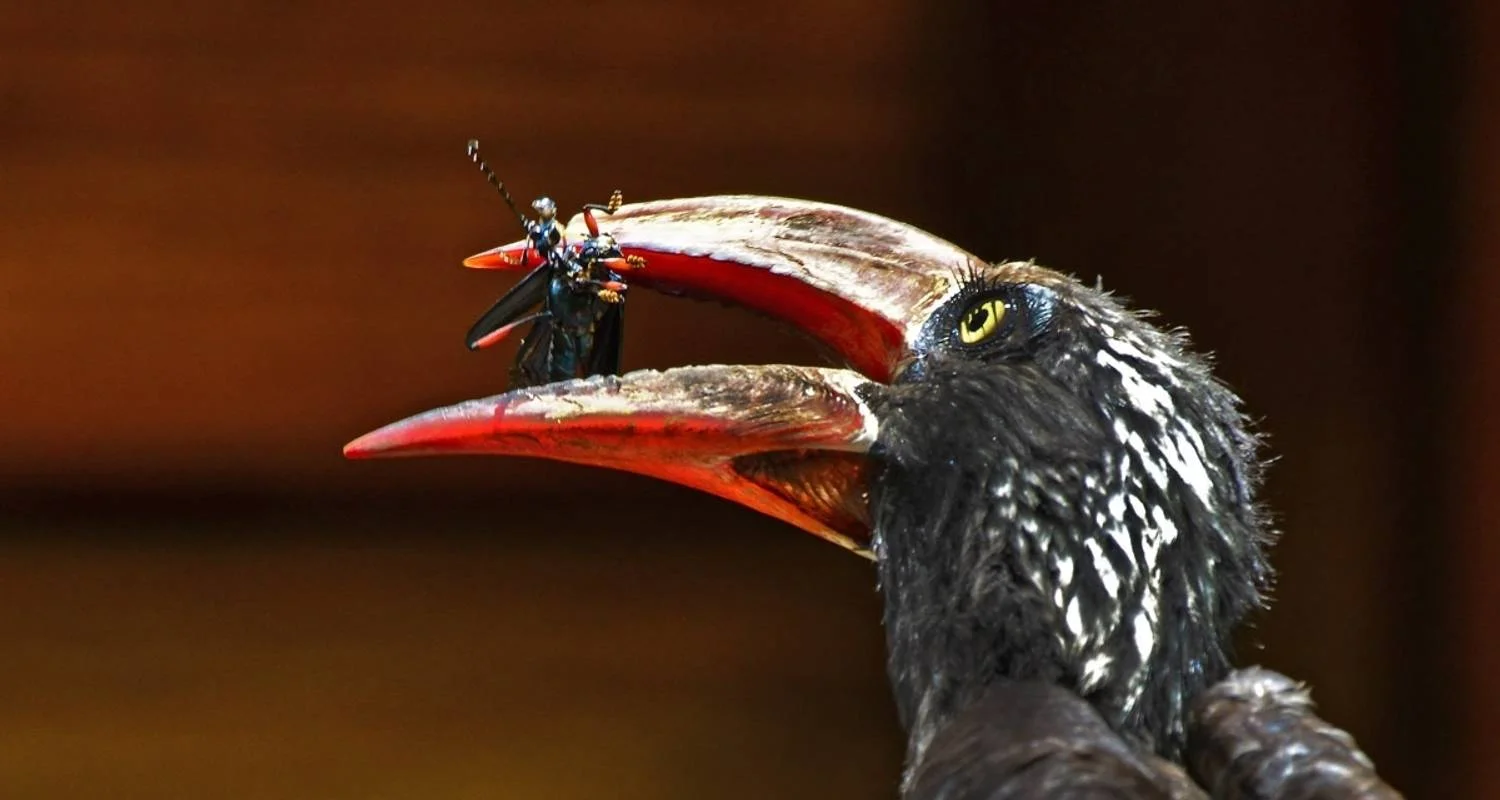
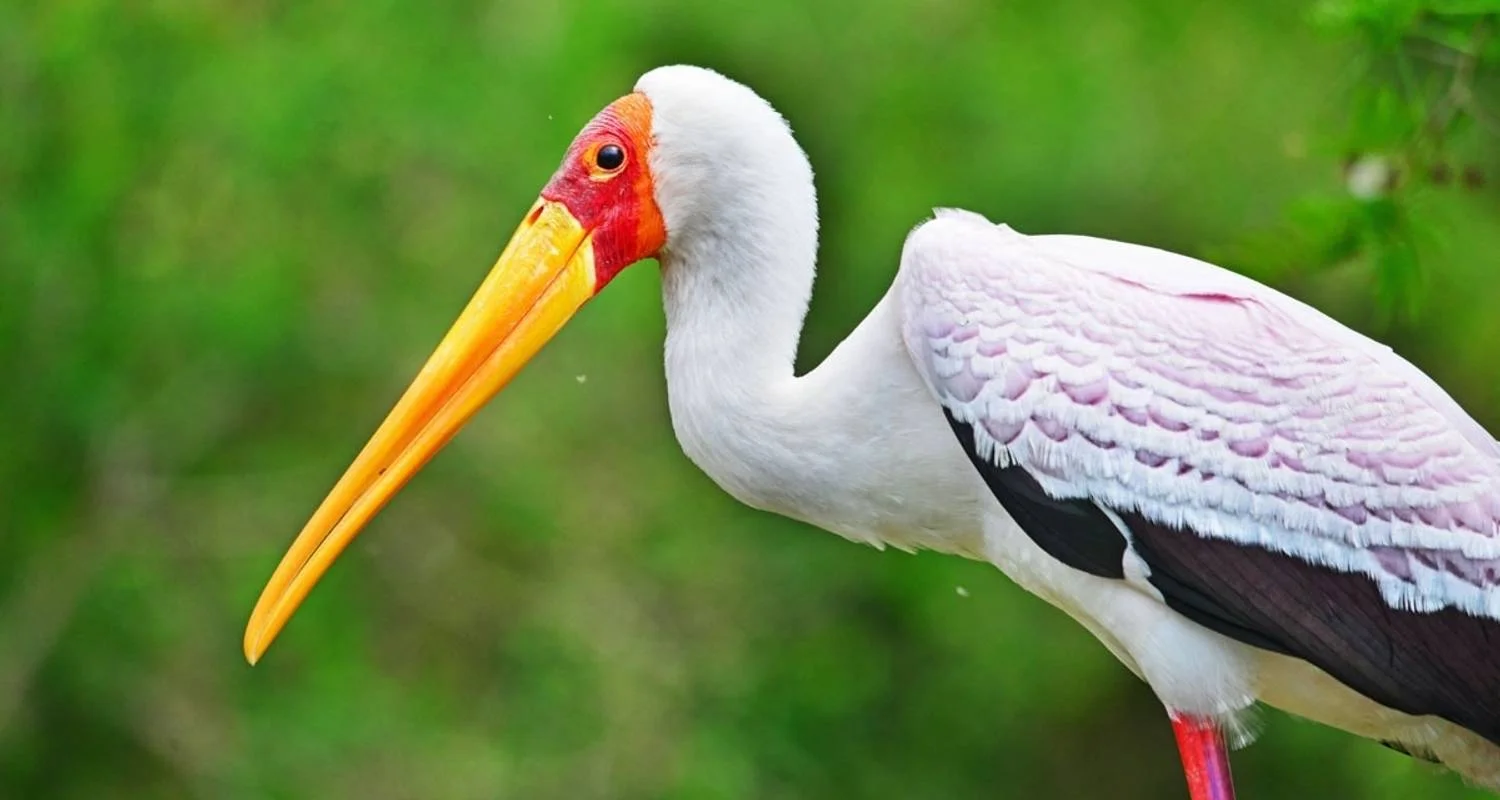
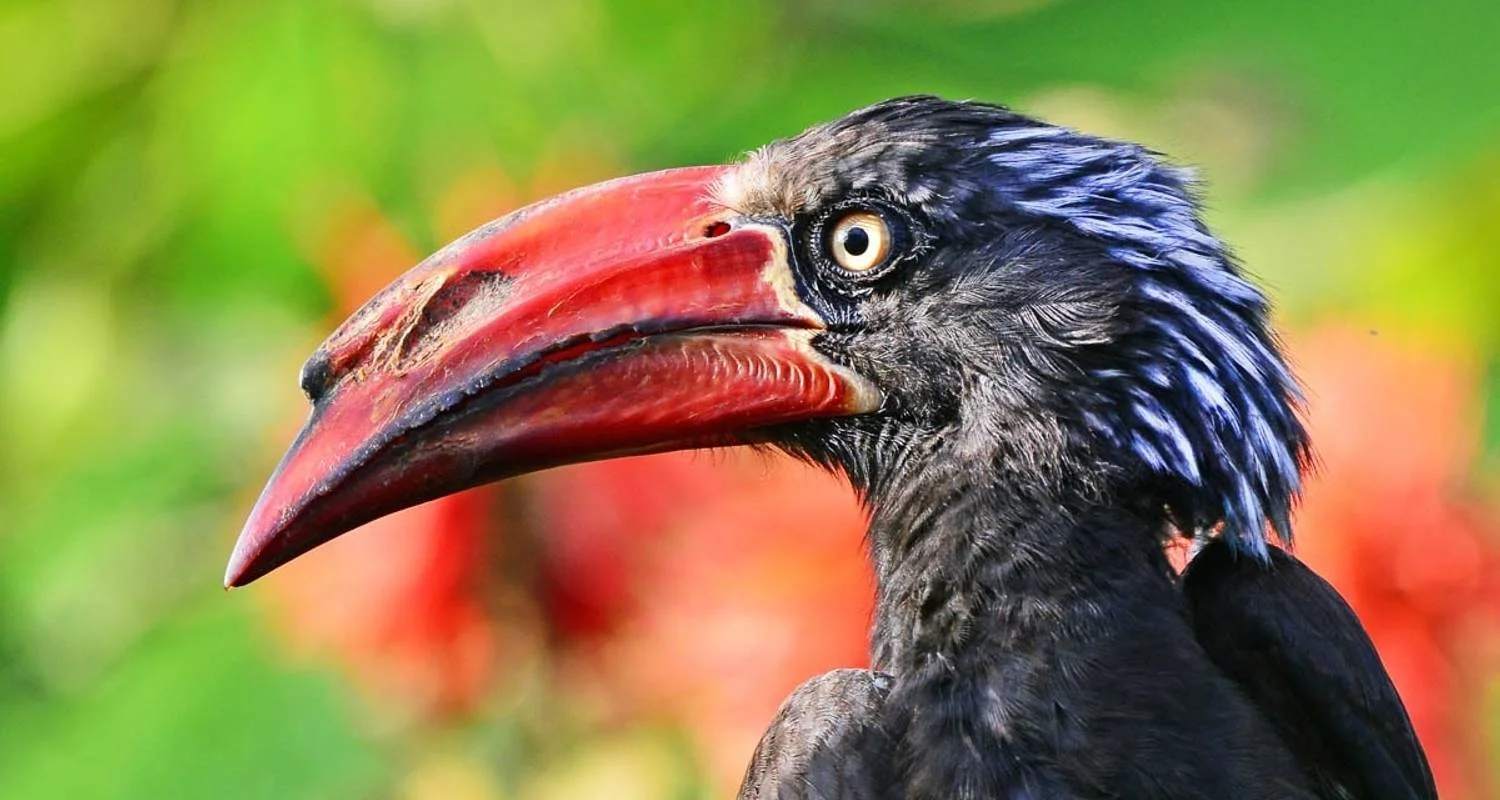
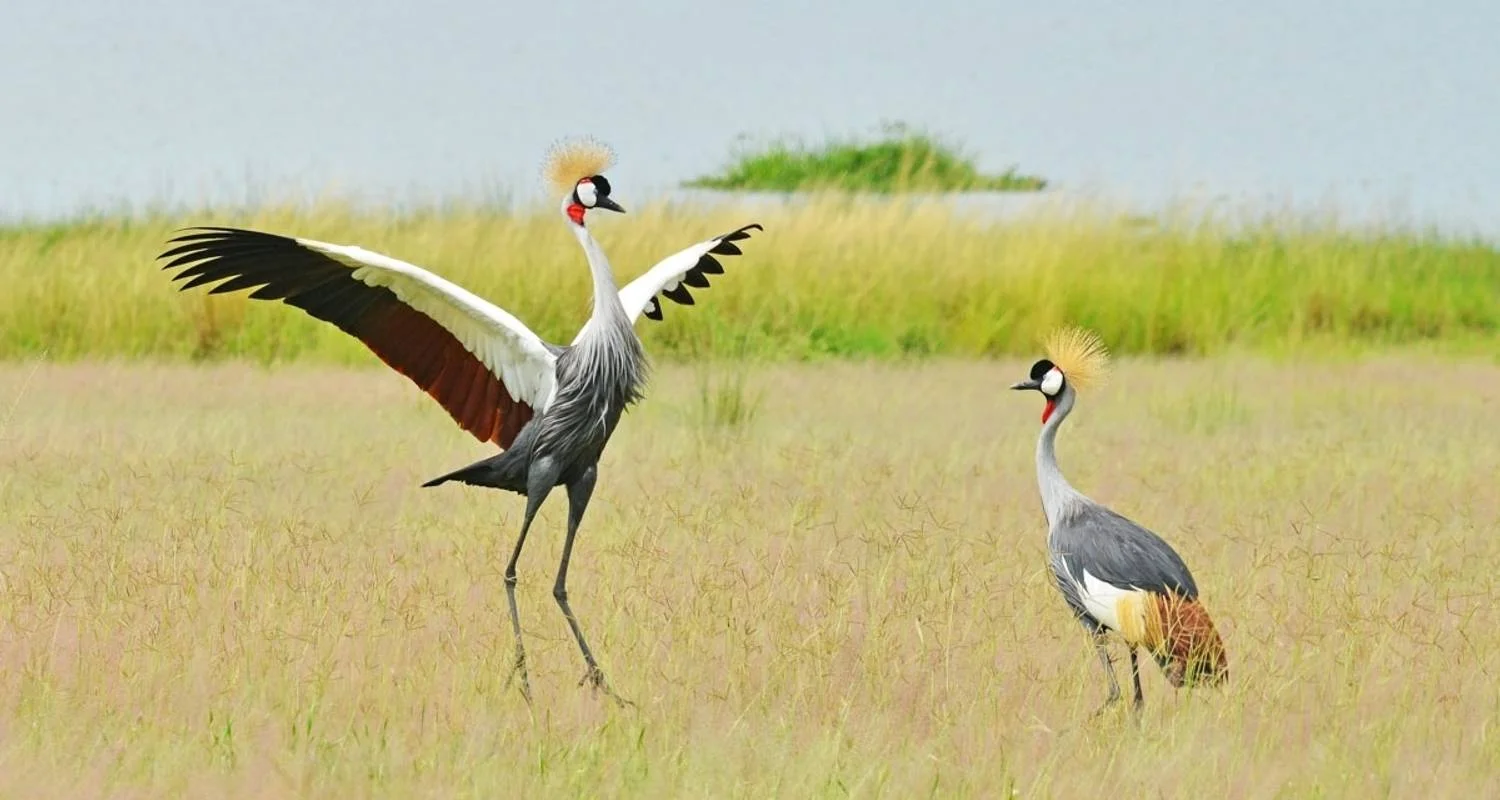
Kidepo Valley National Park is the least explored of all of Uganda’s parks and yet proves to offer the best as far as ornithological trips are concerned. Kidepo has a record of up to 480 species, making it the second-highest after Queen Elizabeth National Park of all the protected areas in the country.
Being the only IBA located entirely within the Somali–Masai biome, 28 species from the Somali–Masai and Sudan–Guinea Savanna biomes are endemic to this park in Uganda.
The Narus Valley and the Ostrich areas are fantastic spots for an exceptional birding experience.
Common Ostrich, Scissor-tailed Kite, White-faced Scoops-Owl, Secretary Bird, Eastern Chanting Goshawk, Long-tailed winged Nightjars, Pygmy Falcon, Yellow-necked Francolins, Little Green Bee-eater, Fox Kestrel, Violet-tipped Courser, Abyssinian Rollers, Stone Partridge, Black-headed Lapwing, Rufous-crowned Rollers, Clapperton’s Francolins, Four-banded Sand Grouse, Abyssinian Ground Hornbills, Heuglin’s Francolins, Bruce’s Green Pigeon, Eastern Yellow Hornbills, Kori Bustards, Rose-ringed Parakeets, Jackson’s Hornbills, White-bellied Bustards, White-crested Turaco, Karamoja Apalis, Hartlaub’s Bustards, White-bellied Go-away Bird, White-bellied tit, slate-colored boubou, Superb Starling, Grayish Flycatcher, Fan-tailed Raven, Mouse-colored Pendu Tit, Ethiopian Swallow, Red-billed Oxpeckers, Northern Shrikes, Red-winged Lark, Black-breasted Barbets, Brown-backed Woodpecker, Singing Bush lark
These are just a few of the 480 bird species the park boasts, but they are very likely to be seen.
Kidepo’s mammal list of over 80 species includes 28 species not found in any other Ugandan national park. Amongst these are such charismatic African animals as bat-eared foxes, caracals, cheetahs, and klipspringers. Unfortunately, Kidepo suffered the same fate as many other Ugandan parks during the 1970s and 1980s and is still recovering from years of poaching that left game herds depleted.
Spotted Hyena, Lesser Kudu, Grant’s Gazelle, and Beisa Oryx have not been seen at all in recent times and were presumed to be locally extinct. Other large mammals have shown a remarkable recovery, and there are now healthy populations of elephant, common zebra, buffalo, bohor reedbuck, waterbuck, and Kongoni.
Predators are plentiful, and spotted hyenas, leopards, and lions are frequently seen. The oribi are abundant in the Narus Valley, while the dry thorn thickets in the north are home to Guenther’s Dik-Dik. The Senegal Galago and Side-striped Jackal may be found in the rest camp at night, and the White-tailed Mongoose is common but more likely to be found on a night drive. The park also has a vibrant and diverse reptile fauna.
Accommodation: Adere safari Lodge
Meal plan: Breakfast, Lunch, and Dinner