If you’re looking for a Dahabieya experience that starts in Luxor and ends in Aswan, feel free to send us an inquiry! We're happy to help you plan the perfect journey along the Nile.
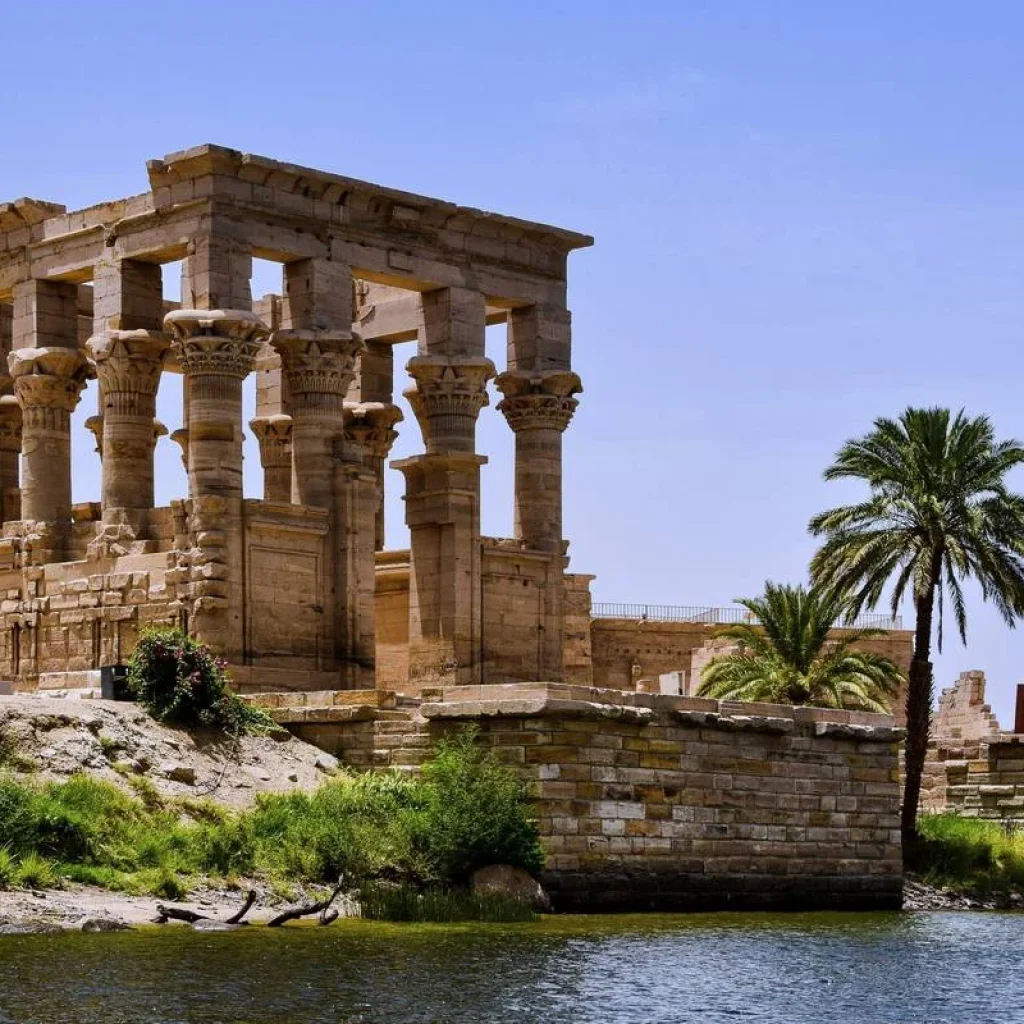
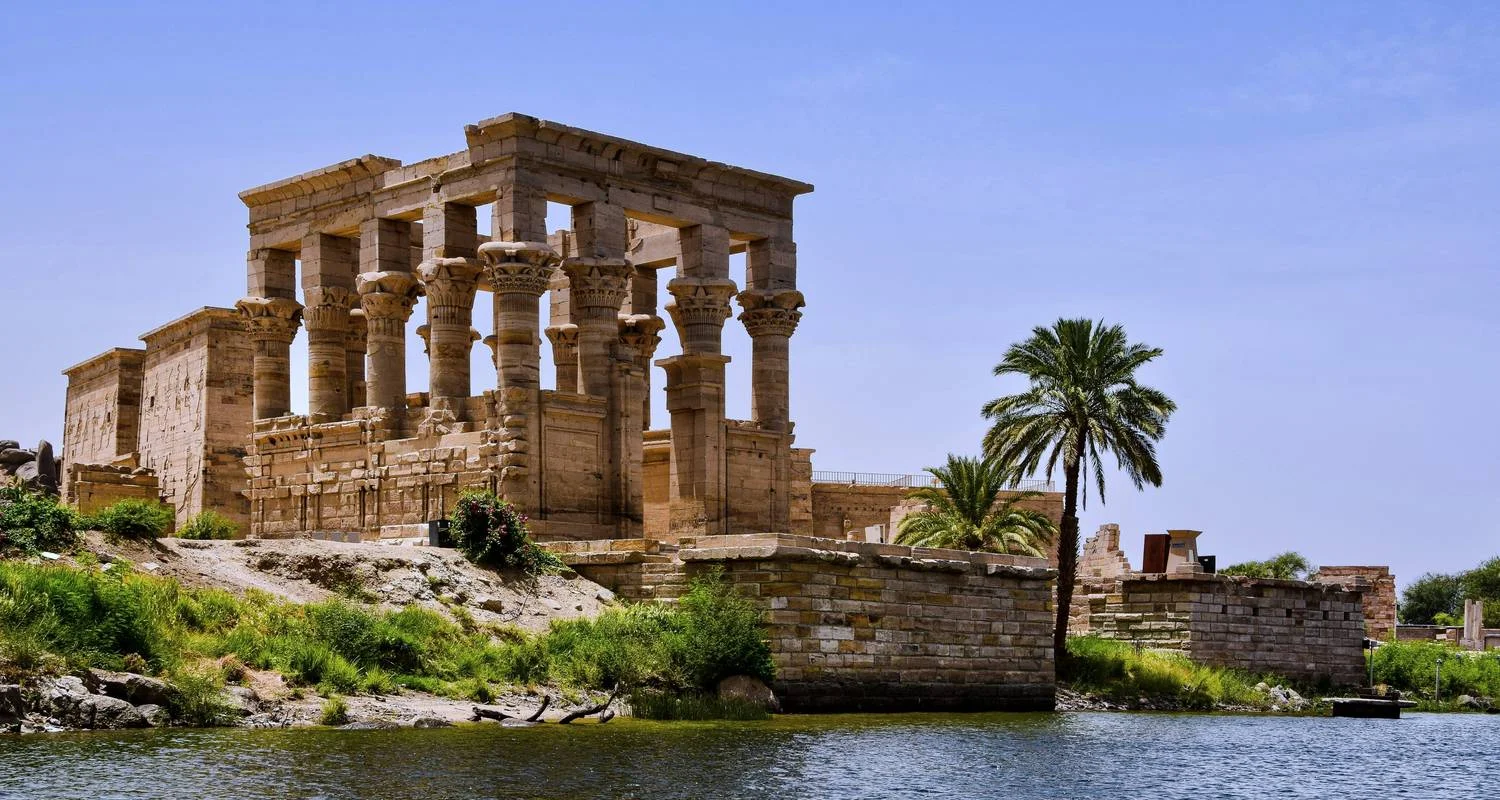
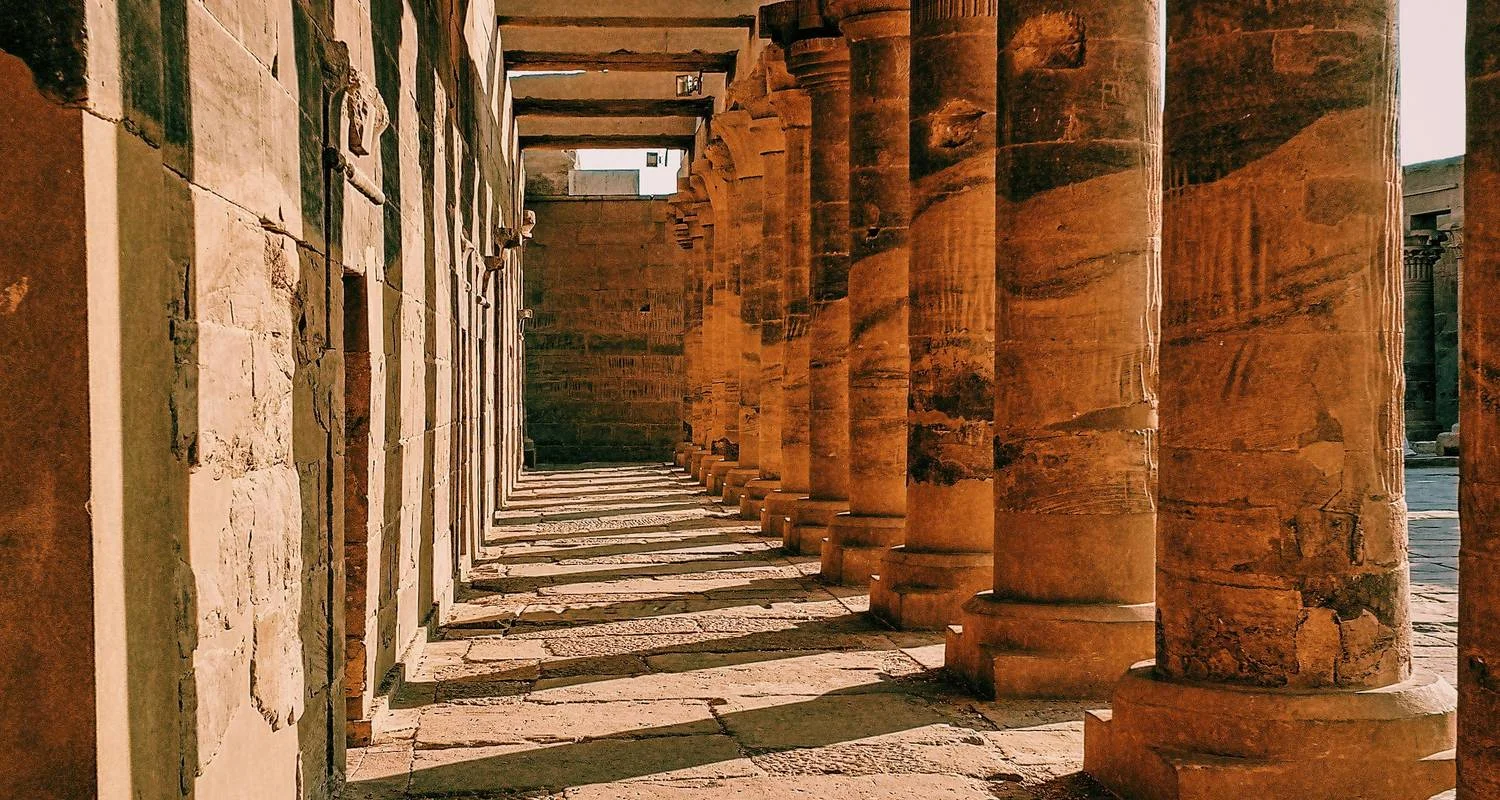
Your Nile journey begins in Aswan, a city of golden light and granite quarries where ancient and modern wonders meet. Here you will stand before the monumental High Dam, see the immense Unfinished Obelisk lying in its quarry, and sail by private boat to the enchanting island temple of Philae, dedicated to the goddess Isis.
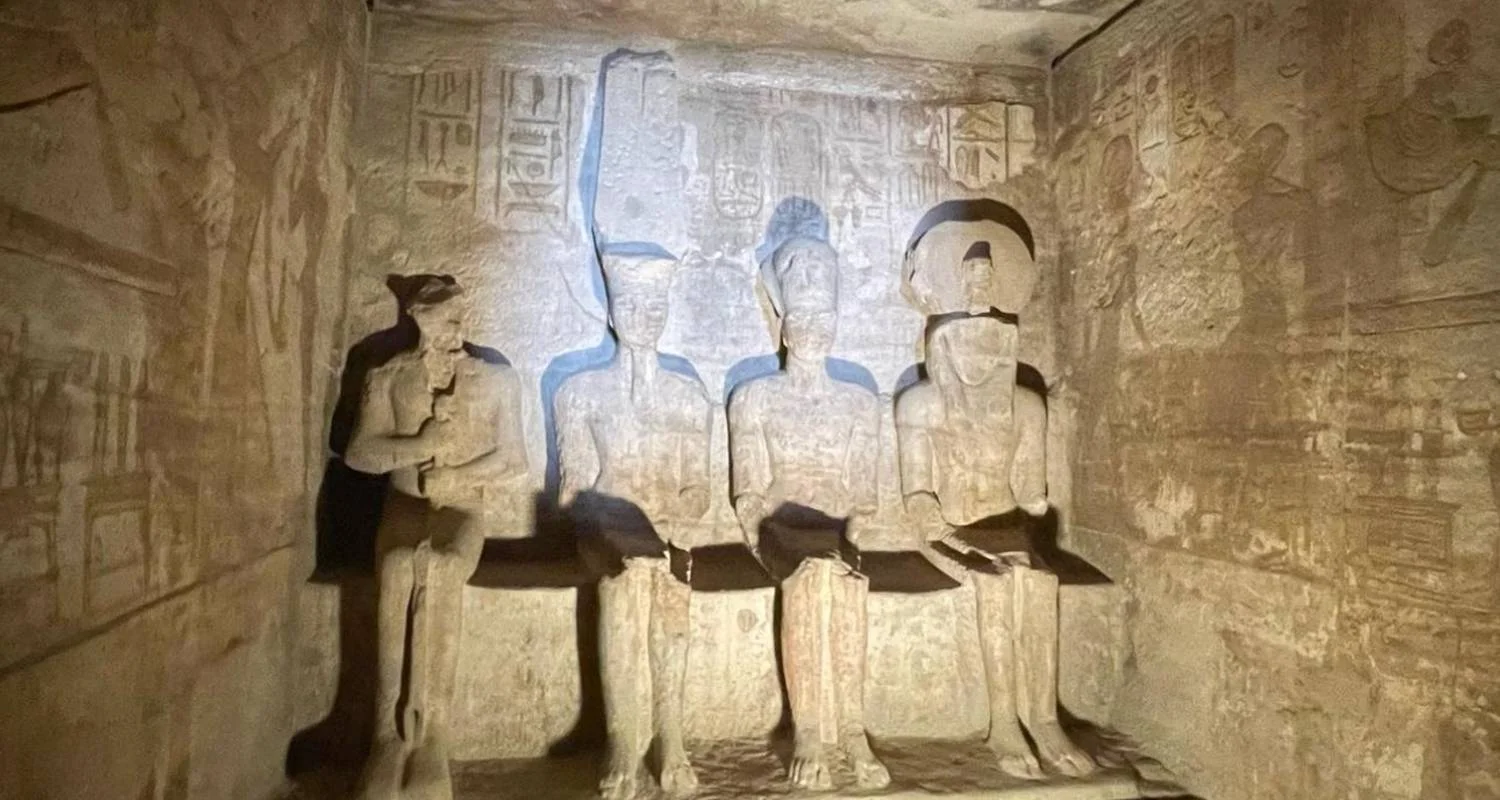
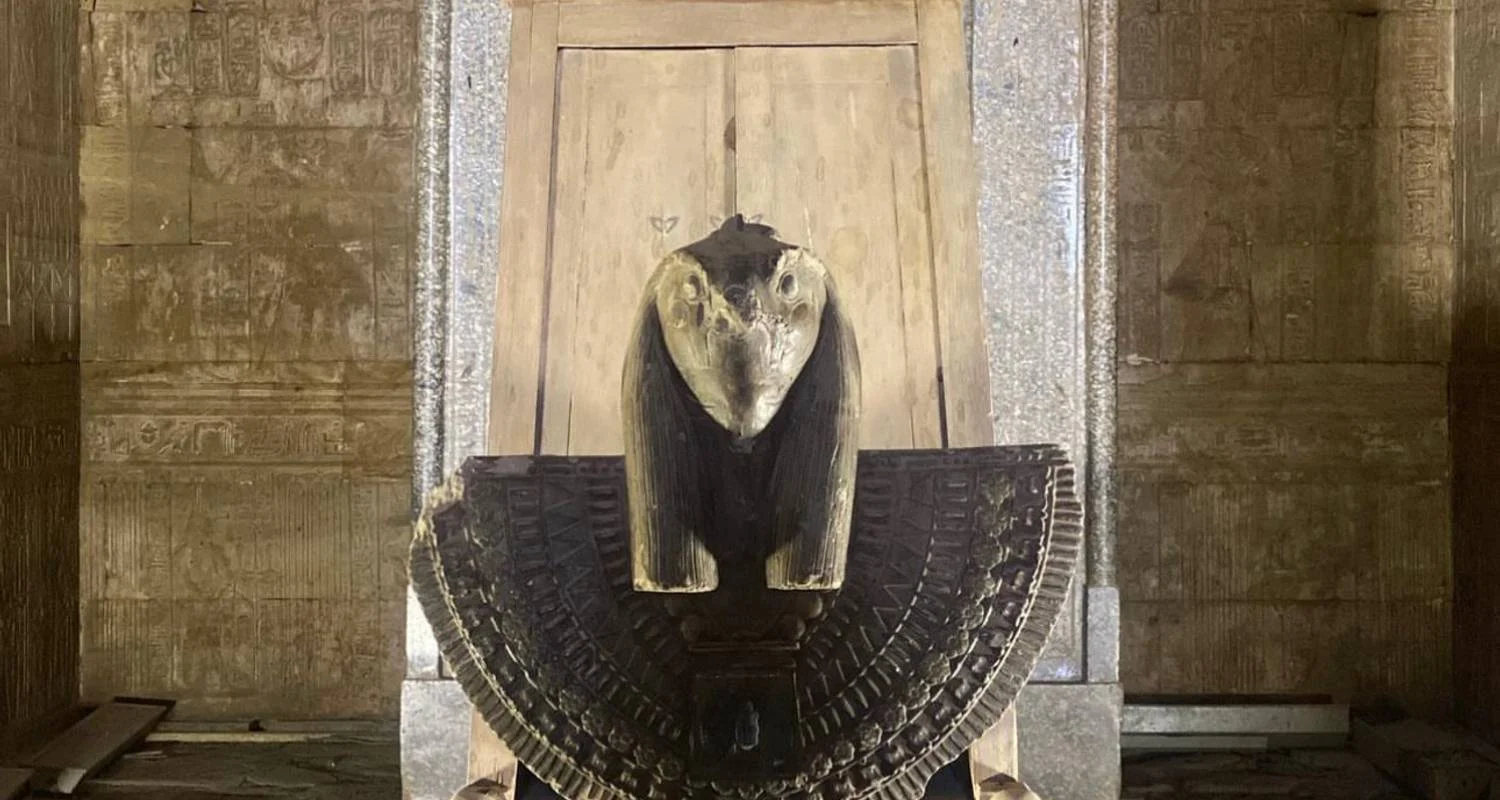
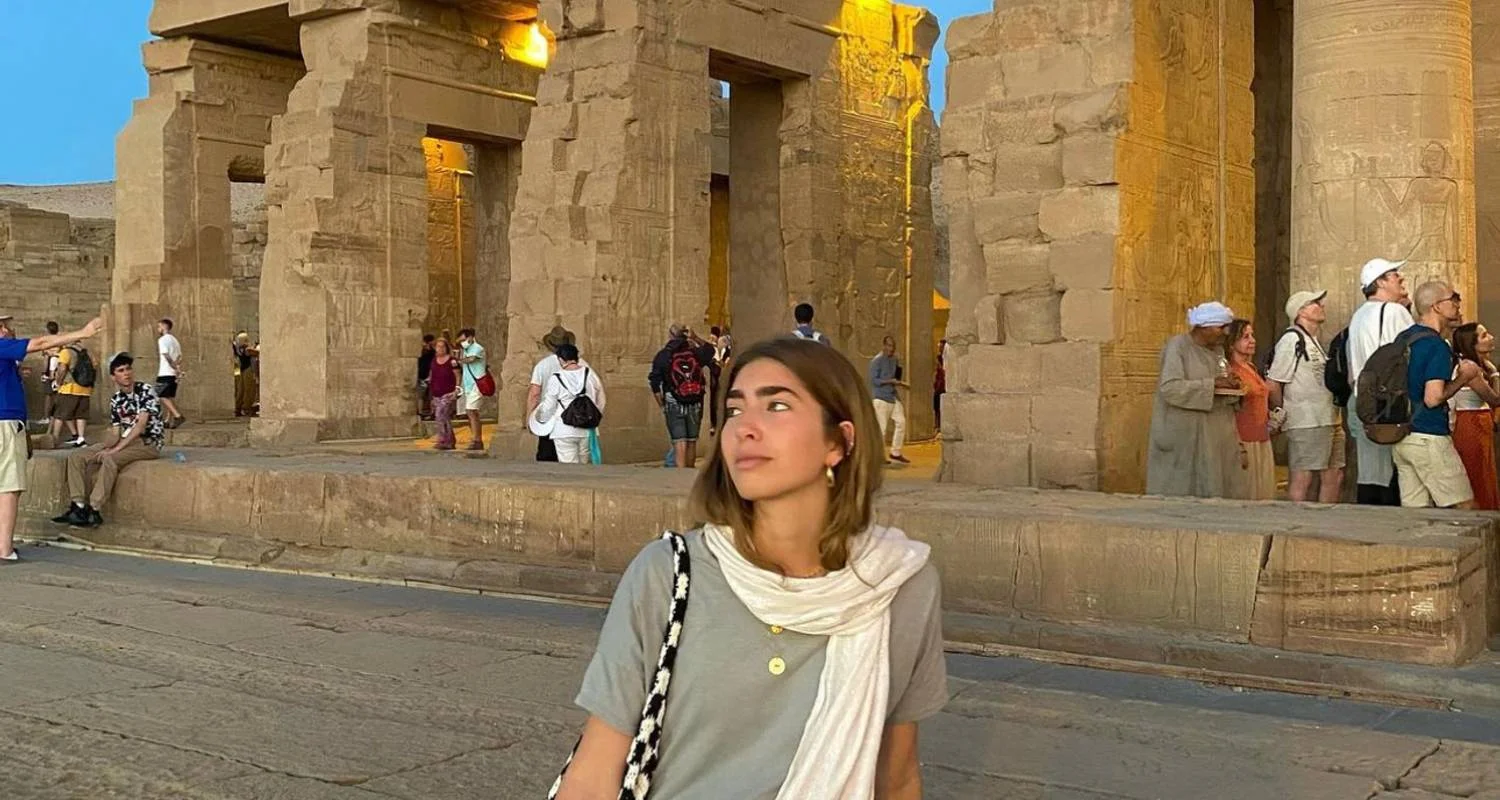
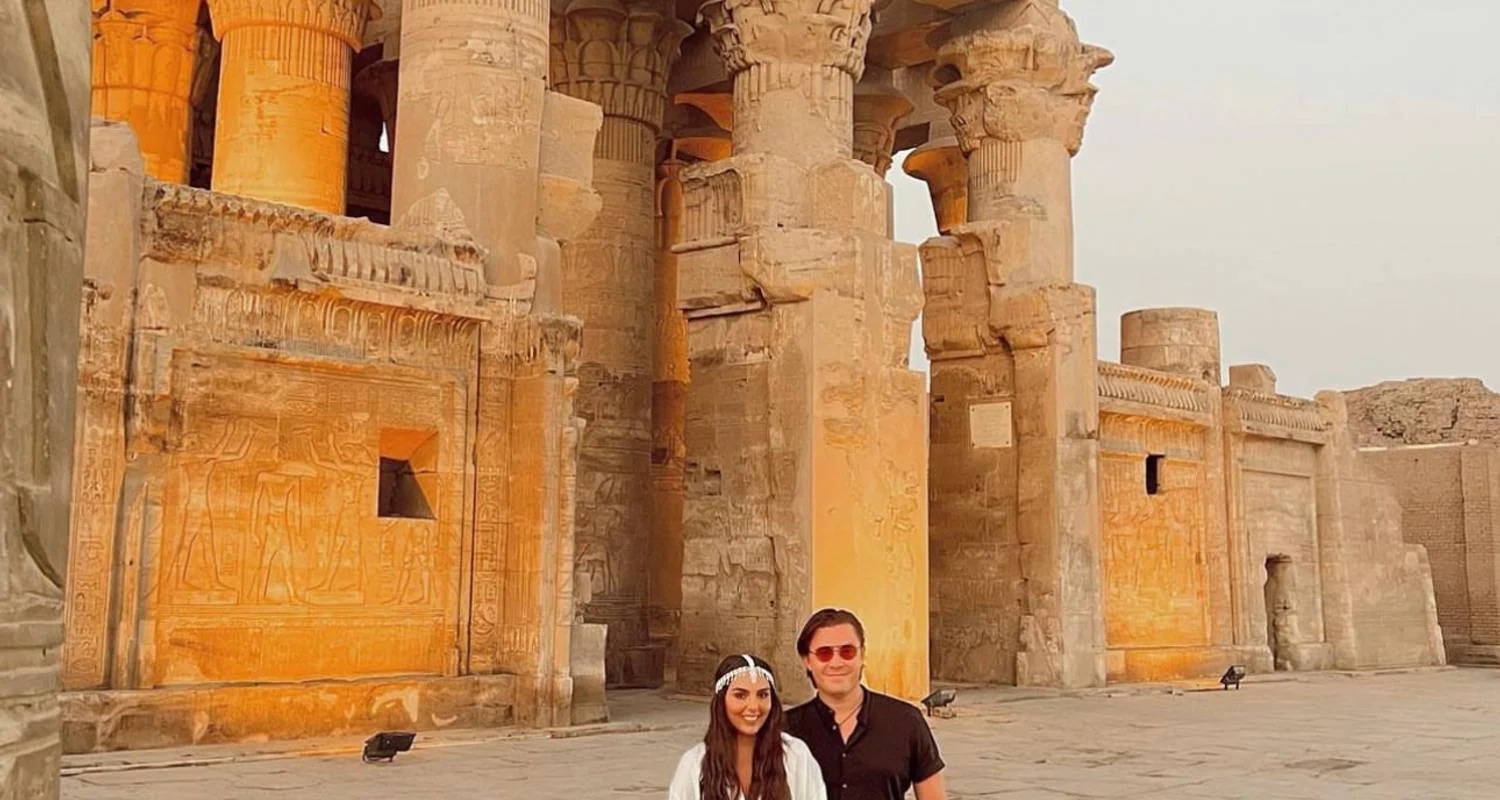
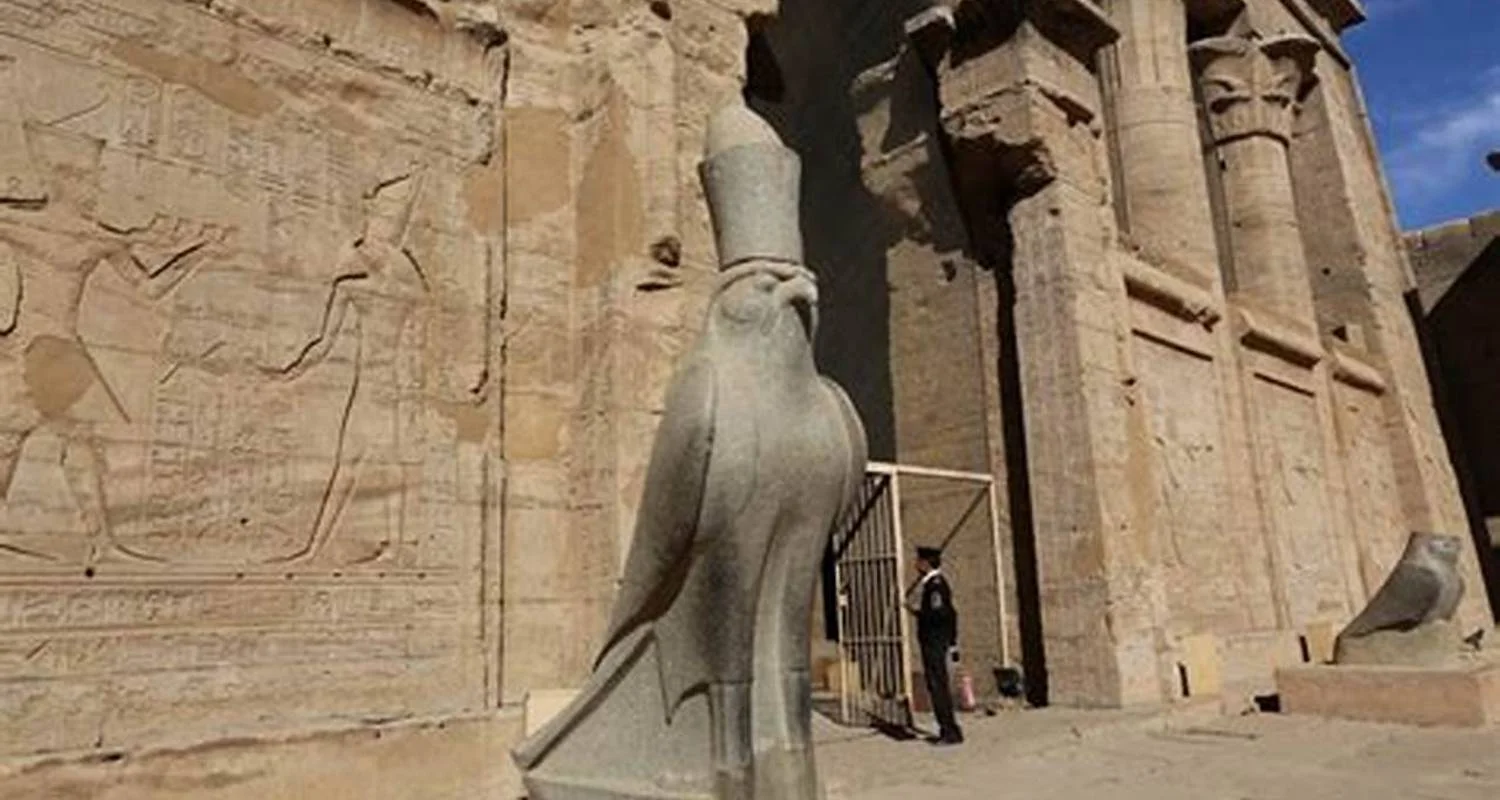
From Aswan, your dahabiya drifts northward to the twin temples of Kom Ombo, uniquely dedicated to two gods—Sobek, the crocodile god of strength and fertility, and Horus the falcon-headed sky god. The temple’s symmetry and riverside setting make it one of the Nile’s most striking sanctuaries. Continuing onward, you arrive at Edfu, home to the Temple of Horus, one of the best-preserved temples in all of Egypt. Approached by traditional horse carriage, its towering pylons and richly inscribed walls transport you directly into the world of the Ptolemies.
Your voyage culminates in Luxor, the world’s greatest open-air museum and once the beating heart of Egypt’s New Kingdom. Here you will walk among the soaring columns of Karnak, explore the sacred avenues of Luxor Temple, descend into the painted tombs of the Valley of the Kings, and admire the elegant terraces of Queen Hatshepsut’s temple.
Every step of this journey is guided by your own private, English-speaking Egyptologist, with all transfers arranged in the comfort of a dedicated air-conditioned vehicle, and special touches such as your private boat to Philae and a traditional horse carriage ride in Edfu. This ensures your exploration is seamless, insightful, and deeply personal.
Sailing on a Dahabiya is one of the most luxurious and authentic ways to experience the Nile between Aswan and Luxor. The word dahabiya comes from the Arabic word for gold (dahab), evoking the elegance and timeless beauty of these traditional two-masted sailing boats. Once favored by European elites exploring the Nile Valley in the 19th century, dahabiyas today combine classic charm with modern comfort.
Dahabiyas can range in size from 3 to 12 cabins, making them perfectly suited for small groups, families, or travelers who value privacy and personalized service. This intimate style of travel creates a slower, more immersive journey—where every moment on the Nile feels both exclusive and deeply connected to its history.
What sets the dahabiya apart is its flexibility. Larger cruise ships are excellent for travelers who enjoy the lively atmosphere and a wide range of onboard facilities, while a dahabiya offers a quieter, more personal way to journey. Because of its smaller size, it can anchor at tranquil riverbanks where big ships cannot, opening opportunities to explore hidden temples, wander through villages, or simply enjoy serene stretches of the Nile in peace.
Another special feature is the stillness on board. Propelled by wind when conditions allow and gently guided by a distant tugboat when needed, the dahabiya moves without engine noise or vibration. It feels as if you are gliding over the water—listening only to the Nile lapping against the hull, the rustle of the sails, and the sounds of life along the riverbanks.
It is less about rushing from one landmark to the next and more about savoring the journey itself—watching the sunset over palm groves, sharing stories with your companions, and experiencing Egypt in a way that is private, elegant, and timeless. In many ways, a dahabiya voyage feels like stepping back into history, echoing the graceful style of travel enjoyed by 19th-century explorers and aristocrats along the Nile.